How Many Nonfiction Book Chapters Should You Have?
Introduction: Why Chapter Count Confuses Nonfiction Authors
Many nonfiction writers ask the same question: How many chapters should my book have?
This question is important because chapter structure affects readability, clarity, and reader experience.
Some books have 5 chapters. Others have 20 or more.
Beginners often feel confused. They worry about choosing the wrong number.
The truth is, there is no single perfect number. However, there are proven guidelines that help you decide.
Understanding nonfiction book chapters helps you organize your ideas, improve readability, and create a professional manuscript.
This guide explains how to decide the right number of chapters for your nonfiction book step by step.
What Are Nonfiction Book Chapters?
Nonfiction book chapters are sections that divide your book into organized parts.
Each chapter focuses on one main topic.
Chapters help readers:
-
Understand information easily
-
Follow logical flow
-
Learn step by step
Without chapters, books feel confusing and difficult to read.
Chapters improve clarity and structure.
Average Number of Nonfiction Book Chapters
Most nonfiction books have:
8 to 15 chapters
This is the most common range.
However, chapter count depends on:
-
Book length
-
Topic complexity
-
Audience
-
Writing style
Here is a general guideline:
| Book Length | Recommended Chapters |
|---|---|
| 10,000–20,000 words | 5–8 chapters |
| 20,000–40,000 words | 8–12 chapters |
| 40,000–60,000 words | 10–15 chapters |
| 60,000–80,000 words | 12–20 chapters |
This structure works well for most nonfiction books.
Why Nonfiction Book Chapters Are Important
Chapters improve reading experience.
They also help writers organize ideas.
Benefits include:
-
Better organization
-
Easier reading
-
Professional structure
-
Improved clarity
-
Better reader engagement
Chapters make your book more effective.
Step-by-Step Guide to Deciding Your Chapter Count
Follow these steps to decide the right number of nonfiction book chapters.
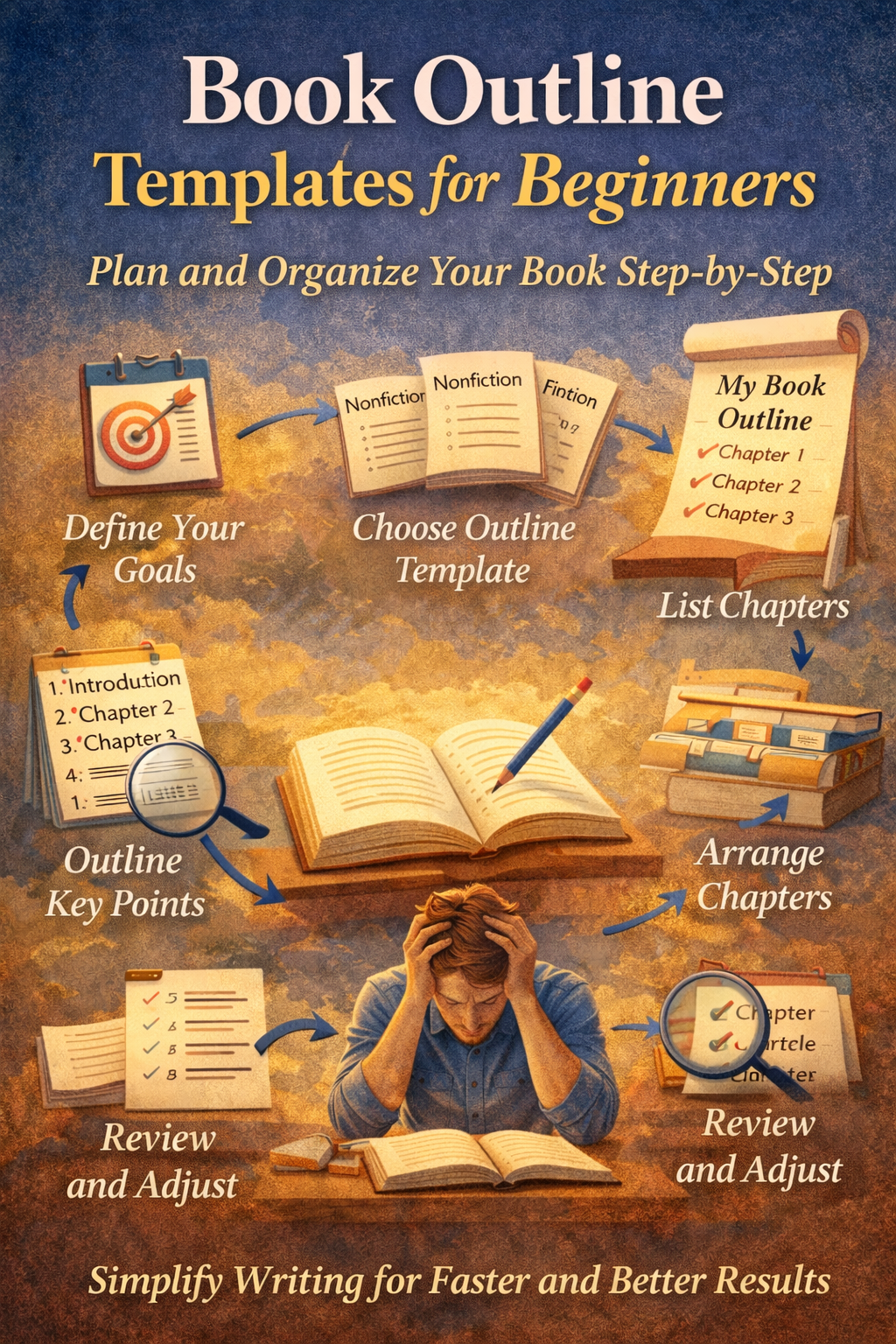
Step 1: Define Your Book Goal
Ask yourself:
-
What is your book teaching?
-
What problem does it solve?
Each solution can become a chapter.
Step 2: List Your Main Topics
Write all major ideas.
Each idea becomes one chapter.
Example:
If your book teaches productivity:
Chapters may include:
-
Time management
-
Goal setting
-
Focus improvement
Step 3: Group Related Ideas Together
Some ideas belong in the same chapter.
Group related topics.
This improves flow.
Step 4: Decide Chapter Length
Most nonfiction chapters have:
1500 to 4000 words
Short chapters improve readability.
Step 5: Create Logical Flow
Arrange chapters in order.
Structure should feel natural.
Start with basics.
End with advanced ideas.
Step 6: Review and Adjust
Check your structure.
Add chapters if needed.
Remove unnecessary chapters.
Types of Nonfiction Books and Their Chapter Count
Different nonfiction books need different structures.
Self-Help Books
Average chapters:
10 to 15 chapters
Each chapter teaches one lesson.
Educational Books
Average chapters:
12 to 20 chapters
More detailed information requires more chapters.
Business Books
Average chapters:
8 to 15 chapters
Clear, focused structure works best.
Memoirs
Average chapters:
10 to 20 chapters
Chapters follow life events.
Short Guides
Average chapters:
5 to 10 chapters
Simple structure.
How Long Should Each Nonfiction Chapter Be?
Chapter length depends on topic.
However, recommended length:
1500 to 3000 words
Short chapters are easier to read.
Readers prefer shorter sections.
Signs Your Book Has Too Few Chapters
Problems include:
-
Chapters too long
-
Too much information in one chapter
-
Poor readability
Solution:
Break chapters into smaller sections.
Signs Your Book Has Too Many Chapters
Problems include:
-
Chapters too short
-
Weak content
-
Poor flow
Solution:
Combine related chapters.
Best Structure for Nonfiction Book Chapters
Most nonfiction books follow this structure:
Introduction Chapter
Explains:
-
Purpose
-
Problem
-
What readers will learn
Main Chapters
Each chapter teaches one topic.
Conclusion Chapter
Summarizes key points.
Provides final message.
Example of Nonfiction Book Chapter Structure
Example:
Chapter 1: Introduction
Chapter 2: Understanding the Problem
Chapter 3: Solution Step 1
Chapter 4: Solution Step 2
Chapter 5: Advanced Tips
Chapter 6: Conclusion
This structure works well.
Benefits of Proper Nonfiction Book Chapters Structure
Proper structure improves book quality.
Improves Reader Experience
Readers understand content easily.
Improves Professional Quality
Structured books look professional.
Improves Writing Speed
Clear plan improves writing efficiency.
Improves Publishing Success
Professional structure increases success.
Best Practices for Creating Nonfiction Book Chapters
Follow these best practices.
Focus on One Idea Per Chapter
Do not mix topics.
Keep Chapters Balanced
Avoid extremely long chapters.
Use Clear Titles
Titles improve navigation.
Maintain Logical Flow
Structure matters.
Plan Before Writing
Outlines improve structure.
Common Mistakes to Avoid
Avoid these mistakes.
Writing Without Chapter Plan
This causes confusion.
Creating Uneven Chapters
Balance is important.
Adding Too Many Chapters
Quality matters more than quantity.
Writing Extremely Long Chapters
Shorter chapters improve readability.
Ignoring Reader Experience
Readers prefer clear structure.
Why Professional Publishing Services Help With Chapter Structure
Professional publishing companies help authors create perfect chapter structure.
They provide expert guidance.
Manuscript Planning Support
Experts help plan chapters.
Professional Editing
Editors improve organization.
Structural Improvement
Professionals ensure logical flow.
Publishing Preparation
They prepare manuscript professionally.
Saves Time
Expert support improves efficiency.
How Chapter Structure Improves Book Success
Well-structured nonfiction book chapters improve:
-
Reader engagement
-
Book quality
-
Professional value
-
Publishing success
Structure is critical.
Final Checklist for Nonfiction Book Chapters
Before writing, check:
-
Clear chapter plan
-
Logical structure
-
Balanced chapter length
-
Clear topic per chapter
Preparation improves results.