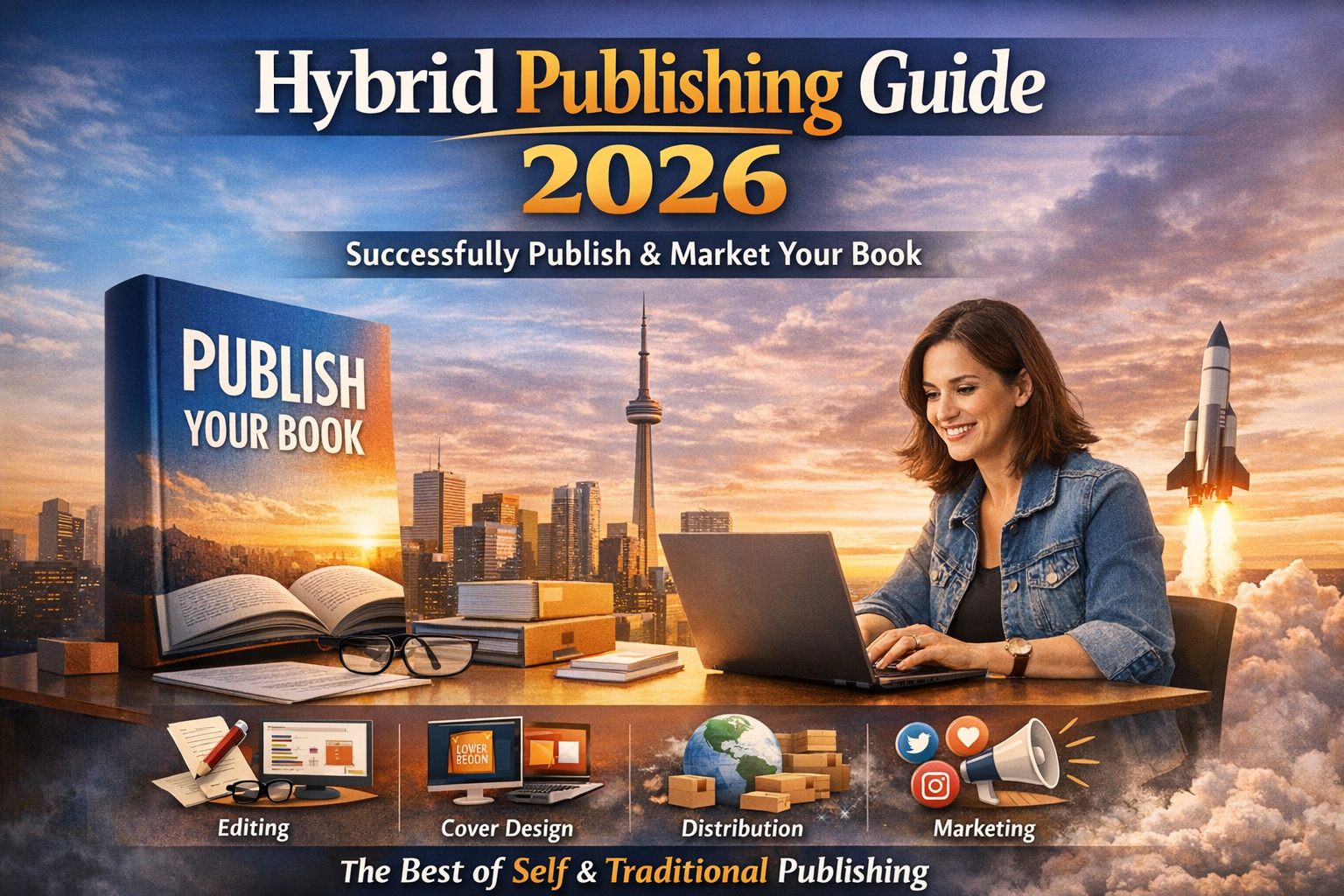
Hybrid Publishing Guide: Complete Strategy to Successfully Publish and Market Your Book in 2026
Introduction: The Problem Authors Face — And the Smart Solution
Publishing a book today is easier than ever, but choosing the right publishing path is harder. Traditional publishing is competitive and slow. Self-publishing gives control but demands time, skill, and budget. Many authors feel stuck between these two options.
That’s where a Hybrid Publishing Guide becomes valuable. Hybrid publishing combines the best parts of traditional and self-publishing. Authors keep creative control while gaining professional support for editing, design, distribution, and marketing.
This guide explains how hybrid publishing works, why it’s growing fast in 2026, and how to use it step-by-step to successfully publish and market your book.
What Is Hybrid Publishing?
Hybrid publishing is a model where the author and publisher work together as partners. The author usually invests upfront, and in return receives professional publishing services plus a higher share of royalties.
Unlike vanity publishing, a legitimate hybrid publisher:
-
Reviews submissions before accepting books
-
Provides professional editing and design
-
Offers transparent contracts
-
Shares royalties fairly
-
Helps with distribution and marketing
In short, hybrid publishing blends professional publishing quality with author ownership and control.
Why the Hybrid Publishing Model Is Growing in 2026
The publishing industry has changed rapidly in recent years. More authors want independence but still want professional results. Hybrid publishing meets both needs.
Key Reasons for Growth
-
Authors want faster publication timelines
-
Writers want creative control
-
Digital distribution has expanded globally
-
Print-on-demand lowers financial risk
-
Marketing tools are more accessible
Because of these factors, hybrid publishing is becoming a preferred option for business authors, educators, entrepreneurs, and first-time writers.
Step-by-Step Hybrid Publishing Guide for Authors
Step 1: Decide If Hybrid Publishing Is Right for You
Hybrid publishing is ideal if you:
-
Want professional production quality
-
Have a budget to invest in your book
-
Want higher royalties than traditional deals
-
Need guidance but still want control
However, it may not suit you if you want zero upfront cost or prefer a publisher to handle everything.
Step 2: Prepare a Professional Manuscript
Before approaching a hybrid publisher, your manuscript should be polished. Even though editing is included, publishers expect serious writers.
Prepare by:
-
Self-editing thoroughly
-
Using beta readers
-
Fixing structure and clarity
-
Checking grammar and formatting
A clean manuscript increases acceptance chances and reduces editing costs.
Step 3: Research Hybrid Publishing Companies
Not all hybrid publishers are equal. Some provide excellent services, while others offer poor value.
When researching, check:
-
Past books they published
-
Author testimonials
-
Transparency of pricing
-
Distribution partners
-
Contract terms
A trustworthy company will clearly explain services, timelines, and royalties.
Step 4: Understand Costs and Packages
Hybrid publishing involves upfront investment. Pricing varies based on services included.
Typical service categories:
-
Developmental editing
-
Copyediting and proofreading
-
Cover design
-
Interior layout
-
ISBN registration
-
Distribution setup
-
Marketing services
Instead of choosing the cheapest package, choose the one that supports your goals. A business book may need strong marketing. A novel may need deeper editing.
Step 5: Collaborate on Editing and Design
One of the strongest advantages of hybrid publishing is professional production quality.
You’ll work with specialists such as:
-
Editors
-
Designers
-
Formatting experts
-
Publishing managers
Stay involved during this stage. Review edits carefully and give feedback. The best results happen when authors collaborate actively instead of approving everything blindly.
Step 6: Approve Distribution Channels
Your book can be distributed in multiple formats:
-
Print
-
eBook
-
Audiobook
Hybrid publishers usually distribute through major retailers and global platforms. Confirm which channels are included and whether expanded distribution is available.
Step 7: Build a Marketing Plan Before Launch
Marketing should start months before publication, not after.
Pre-launch strategies include:
-
Cover reveal campaigns
-
Email list building
-
Social media teasers
-
Advance review copies
-
Author website setup
A strong launch creates early momentum and improves long-term sales.
Step 8: Launch and Promote Strategically
Launch week is critical. Coordinate promotional activities for maximum visibility.
Effective launch tactics:
-
Online events or webinars
-
Limited-time discounts
-
Influencer reviews
-
Book trailers
-
Blog features
After launch, continue marketing consistently. Books sell best with steady promotion, not one-time campaigns.
Benefits of Using a Hybrid Publishing Guide Strategy
Professional Quality Without Losing Control
You maintain ownership of your book while professionals handle technical production tasks.
Faster Time to Market
Traditional publishing can take 1–2 years. Hybrid publishing often releases books within months.
Higher Royalty Rates
Authors usually earn more per sale compared to traditional publishing contracts.
Global Distribution Access
Hybrid publishers can place books in international markets and online stores.
Author Brand Growth
Publishing a professional book strengthens your credibility, especially for speakers, coaches, and business leaders.
Best Practices for Hybrid Publishing Success
To get the best results, follow these proven practices.
Treat Your Book Like a Business Project
Set goals, deadlines, and a budget. Serious planning leads to professional outcomes.
Stay Involved in Every Stage
Do not disappear after submitting your manuscript. Review designs, edits, and marketing plans.
Invest in Marketing Early
Even the best book will fail without visibility. Allocate budget for promotion from the beginning.
Focus on Reader Value
Readers care about useful, entertaining, or inspiring content. Quality writing always matters more than marketing tricks.
Build an Author Platform
Grow your presence through:
-
Email newsletters
-
Social media
-
Speaking engagements
-
Blogging
A strong platform increases book sales and future opportunities.
Common Mistakes to Avoid in Hybrid Publishing
Many authors fail not because of poor writing, but because of avoidable mistakes.
Choosing the Wrong Publisher
Some companies promise results but deliver little. Always verify reputation and contract details.
Ignoring Contract Terms
Check carefully for:
-
Rights ownership
-
Royalty percentages
-
Distribution limitations
-
Termination clauses
If something is unclear, ask questions before signing.
Skipping Professional Editing
Trying to save money by skipping editing can damage your book’s credibility. Readers notice errors immediately.
Expecting the Publisher to Do All Marketing
Hybrid publishing is a partnership. Authors must promote their books actively.
Launching Without an Audience
Publishing first and building an audience later is harder. Build readers before launch for better results.
Why Choose a Professional Hybrid Publishing Company
Working with a professional publishing service gives advantages that are difficult to achieve alone.
Expertise
Publishing involves many technical steps. Professionals know industry standards and best practices.
Efficiency
Experienced teams complete editing, design, and formatting faster than beginners.
Quality Assurance
Professional production increases reader trust and improves reviews.
Distribution Networks
Established companies already have retailer connections and distribution systems.
Strategic Guidance
Experts help you choose pricing, formats, and marketing strategies based on your goals.
Hybrid Publishing vs Traditional vs Self-Publishing
Understanding differences helps you choose wisely.
| Feature | Traditional | Self-Publishing | Hybrid |
|---|---|---|---|
| Cost | Free | Paid by author | Shared investment |
| Control | Low | Full | Shared |
| Speed | Slow | Fast | Moderate |
| Royalties | Low | High | Medium-High |
| Support | Full | Minimal | Professional |
Hybrid publishing balances independence and support, which is why many modern authors prefer it.
Hybrid Publishing Trends for 2026
Publishing continues to evolve. These trends are shaping the hybrid model this year:
-
More global distribution options
-
Increased audiobook demand
-
AI-assisted editing tools used professionally
-
Growth of niche genre publishing
-
Stronger author branding strategies
Authors who adapt to these trends gain a competitive advantage.
Practical Checklist Before Choosing Hybrid Publishing
Use this quick checklist to confirm you’re ready:
-
Manuscript finalized
-
Budget planned
-
Goals defined (sales, authority, brand)
-
Target audience identified
-
Marketing plan outlined
-
Publisher shortlist prepared
If most boxes are checked, you’re ready to begin.