Writing Tips for Authors: 2026 Publishing Strategy
Introduction: The Challenge Modern Authors Face
Many writers dream of publishing a book, but most struggle with turning ideas into a finished manuscript that actually sells. The problem is not creativity. It is strategy. Today’s publishing world is competitive, fast, and reader-driven. Writing alone is not enough. Authors must write well, edit smartly, and market wisely.
This guide provides practical writing tips for authors who want to succeed in 2026. You will learn how to plan, write, polish, publish, and promote your book using a clear system. Whether you are a beginner or an experienced writer, these steps will help you produce professional work that stands out.
Step-by-Step Writing Tips for Authors
Step 1: Define Your Book’s Purpose
Before writing your first chapter, clarify why your book exists.
Ask yourself:
-
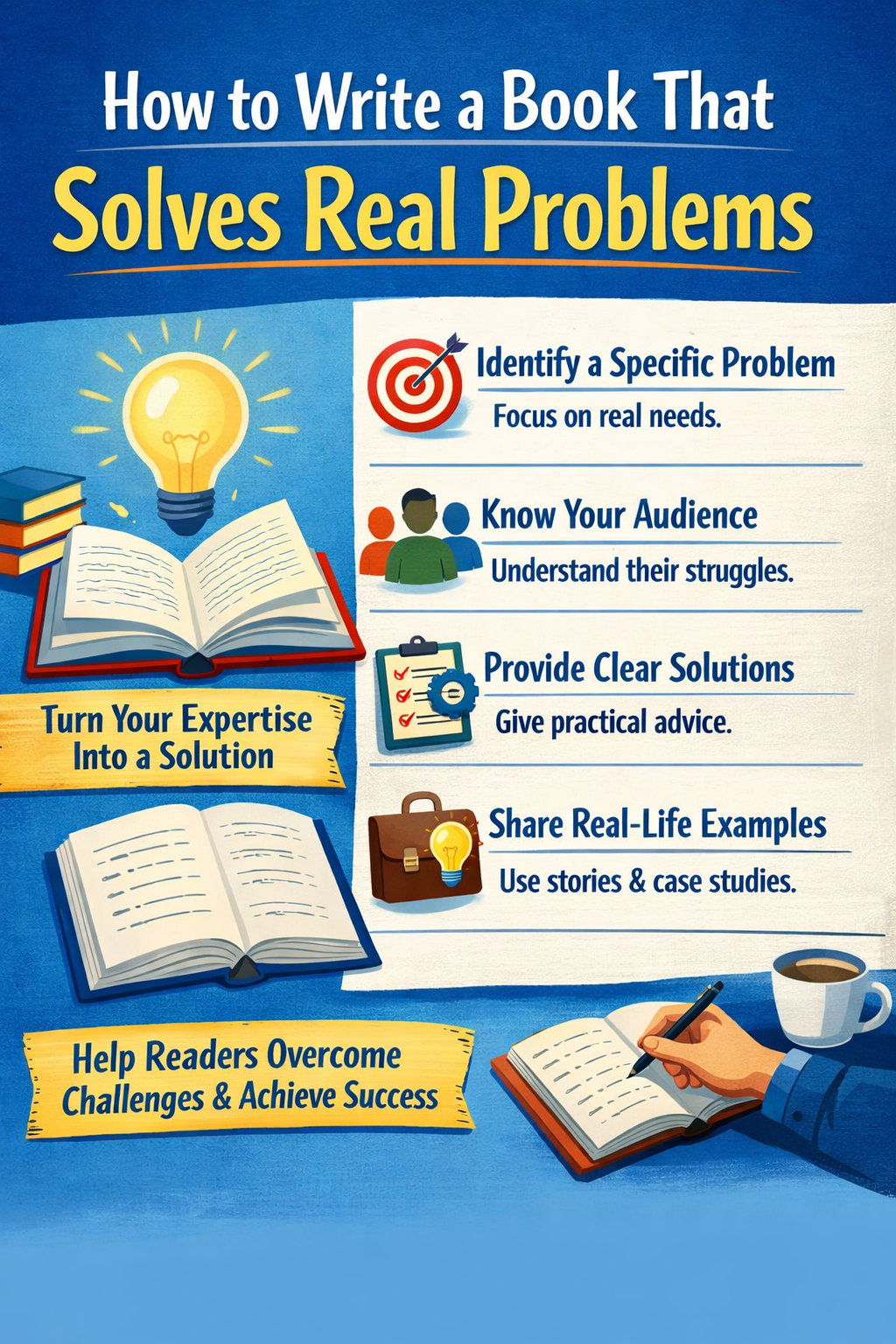
What problem does this book solve?
-
Who is the reader?
-
What transformation will they experience?
A clear purpose keeps your writing focused. Without it, chapters drift, ideas repeat, and readers lose interest.
Pro tip: Write a one-sentence mission statement for your book. Keep it visible while writing.
Step 2: Understand Your Target Reader
Great authors write for someone, not everyone. Knowing your reader helps you choose tone, examples, and vocabulary.
Define:
-
Age group
-
Interests
-
Reading level
-
Pain points
-
Goals
For example, a book for entrepreneurs uses different language than a book for teenagers. When you understand your reader, your content becomes more engaging and relevant.
Step 3: Create a Strong Outline
An outline is your roadmap. It prevents writer’s block and keeps chapters organized.
Basic outline structure:
-
Introduction
-
Core sections
-
Supporting examples
-
Conclusion
Break chapters into bullet points before writing. This allows you to see gaps in logic or missing information early.
Step 4: Write First, Edit Later
Many authors stop writing because they try to edit every sentence immediately. This slows progress and kills creativity.
Instead:
-
Write freely in the first draft
-
Ignore grammar mistakes
-
Focus on ideas
Editing comes later. Drafting is about expression. Revision is about perfection.
Step 5: Use Clear and Simple Language
Readers prefer clarity over complexity. Long sentences and technical words reduce readability.
Follow these rules:
-
Keep sentences under 20 words when possible
-
Use everyday vocabulary
-
Avoid jargon unless necessary
-
Replace passive voice with active voice
Simple writing does not mean weak writing. It means strong communication.
Step 6: Build a Consistent Writing Routine
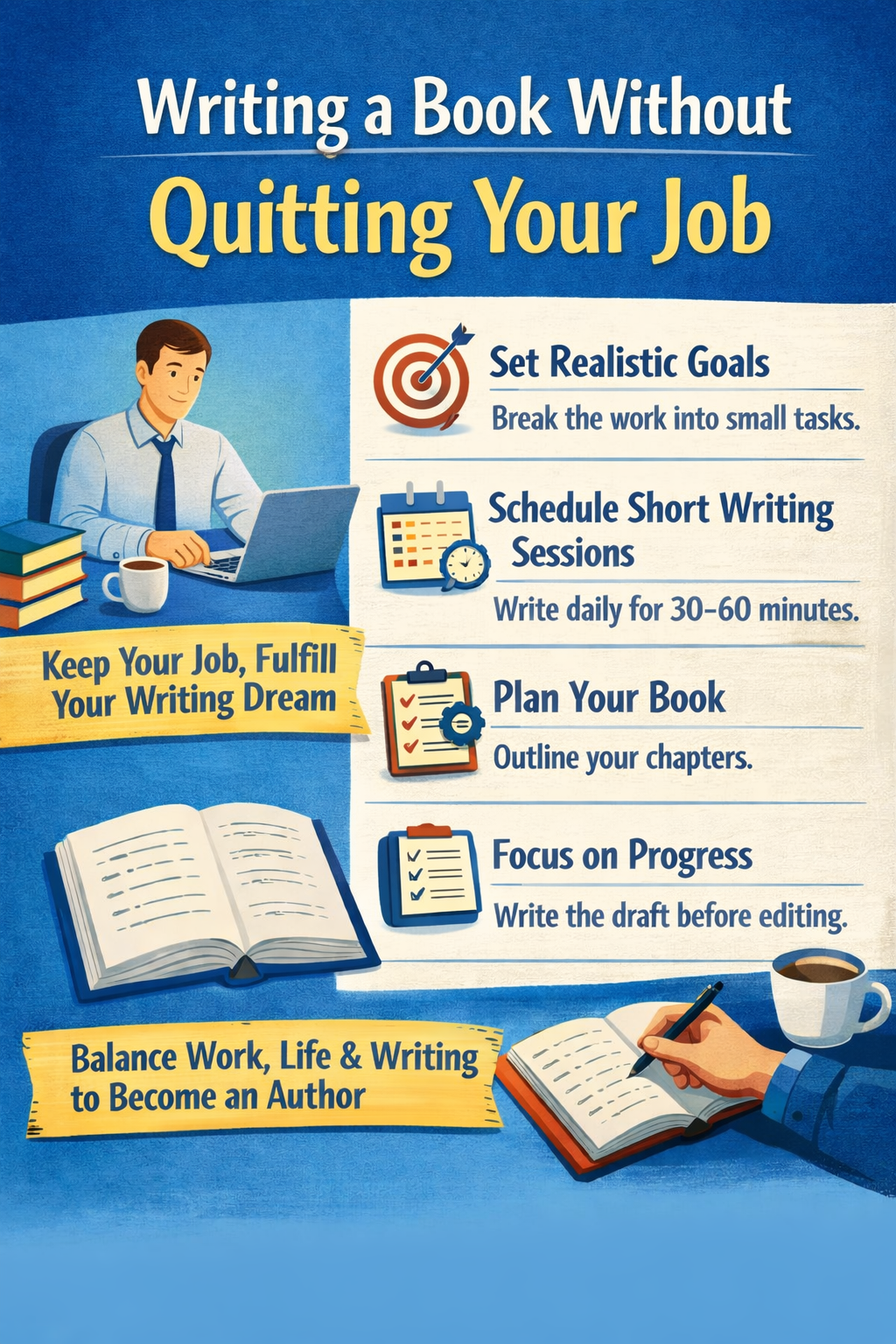
Consistency beats motivation. Successful authors write regularly, not occasionally.
Effective writing routine tips:
-
Write at the same time daily
-
Set a word count goal
-
Remove distractions
-
Track progress
Even 500 words per day can produce a full book in a few months.
Step 7: Revise Like a Professional Editor
Revision transforms a rough draft into a polished manuscript.
Edit in stages:
-
Structure editing – flow and organization
-
Content editing – clarity and depth
-
Line editing – sentence quality
-
Proofreading – grammar and spelling
Each stage has a different goal. Trying to do everything at once leads to missed errors.
Writing Tips for Authors to Improve Quality
Focus on Strong Openings
The first page decides whether readers continue. Start with:
-
A question
-
A surprising fact
-
A bold statement
-
A short story
Avoid slow introductions or long explanations at the beginning.
Show, Don’t Just Tell
Instead of stating facts, demonstrate them with examples or scenes.
Weak:
She was nervous.
Strong:
Her hands trembled as she reached for the door.
Showing creates emotional engagement.
Use Transitions Between Ideas
Transitions guide readers smoothly from one point to another. Words like:
-
However
-
Therefore
-
Meanwhile
-
In addition
-
As a result
These improve flow and readability.
Add Real Examples
Readers trust content supported by examples. Whenever possible:
-
Include case studies
-
Share scenarios
-
Provide comparisons
Examples make abstract ideas easier to understand.
Benefits of Following Professional Writing Strategies
Using structured writing tips for authors offers measurable advantages.
Higher Reader Engagement
Clear writing keeps readers interested and reduces drop-off rates.
Faster Completion Time
Planning and outlining reduce rewriting and wasted effort.
Better Reviews
Well-edited books receive more positive feedback and recommendations.
Stronger Author Reputation
Professional writing builds credibility. Readers trust authors who deliver clear, useful content.
Increased Sales Potential
Books that are easy to read and valuable to readers sell better over time.
Best Practices for Writing and Publishing in 2026
The publishing landscape evolves every year. To stay competitive, authors must adapt to current standards.
Write With Search Visibility in Mind
Modern readers discover books through search engines and online marketplaces. Use relevant keywords naturally in:
-
Title
-
Subtitle
-
Description
-
Chapter headings
This improves discoverability.
Focus on Reader Experience
Formatting matters. Ensure:
-
Short paragraphs
-
Clear headings
-
Bullet points
-
Readable fonts
Books that are visually clean feel easier to read.
Build an Author Platform Early
Start growing your audience before publishing.
Effective methods:
-
Email newsletter
-
Social media content
-
Blog posts
-
Reader communities
When your book launches, you already have readers waiting.
Prioritize Professional Editing
Self-editing is important, but professional editing ensures quality. Editors catch issues authors overlook, such as:
-
Plot inconsistencies
-
Tone shifts
-
Structural weaknesses
Professional editing often determines whether a book feels amateur or professional.
Common Mistakes Authors Must Avoid
Even talented writers make mistakes that reduce their chances of success.
Writing Without a Plan
This leads to inconsistent tone, repeated ideas, and weak structure.
Ignoring Reader Needs
Books written only for the author rarely connect with audiences.
Overcomplicating Language
Complex sentences reduce clarity and frustrate readers.
Skipping Editing
Unedited books damage credibility and receive poor reviews.
Publishing Too Soon
Rushing to publish often results in avoidable errors.
Neglecting Marketing
Publishing is only half the job. Without promotion, even great books stay unnoticed.
Why Authors Should Consider Professional Publishing Support
Many writers try to handle writing, editing, design, and marketing alone. While possible, this approach often slows progress and reduces quality.
Working with a professional publishing company offers advantages.
Expert Guidance
Professionals understand industry standards and help you avoid beginner mistakes.
Time Efficiency
Instead of learning every publishing step yourself, experts handle technical tasks. This allows you to focus on writing.
Higher Production Quality
Professional teams provide:
-
Editing
-
Cover design
-
Formatting
-
Distribution setup
These elements affect reader perception immediately.
Stronger Market Position
Books created with professional support compete better with traditionally published titles.
Strategic Marketing Support
Publishing companies often provide:
-
Launch strategies
-
Promotional plans
-
Metadata optimization
-
Platform distribution
This increases visibility and sales potential.
Advanced Writing Tips for Authors Ready to Level Up
Once you master the basics, apply advanced techniques to improve impact.
Develop a Unique Voice
Your writing voice is your brand. It comes from:
-
Word choice
-
Rhythm
-
Perspective
-
Tone
Avoid copying other authors. Instead, write naturally and refine your style over time.
Use Data to Improve Writing
Track reader feedback:
-
Reviews
-
Comments
-
Sales performance
Analyze which topics resonate most and adjust future content accordingly.
Write With Series Potential
Books that can expand into a series often perform better commercially.
Plan ahead:
-
Leave room for sequels
-
Create expandable topics
-
Develop recurring themes
Series build reader loyalty and long-term income.
Balance Creativity With Structure
Great writing blends imagination with organization. Too much structure feels rigid. Too much creativity feels chaotic. The best authors maintain balance.
Quick Checklist for Authors
Before publishing, confirm you have:
-
Defined your reader
-
Completed a full outline
-
Written a complete draft
-
Edited multiple times
-
Received feedback
-
Proofread carefully
-
Prepared marketing materials
If any step is missing, complete it before launch.