Writing Tips for Authors Guide 44: Complete Strategy to Successfully Publish and Market Your Book in 2026
Introduction: Why Most Authors Struggle — And How to Fix It
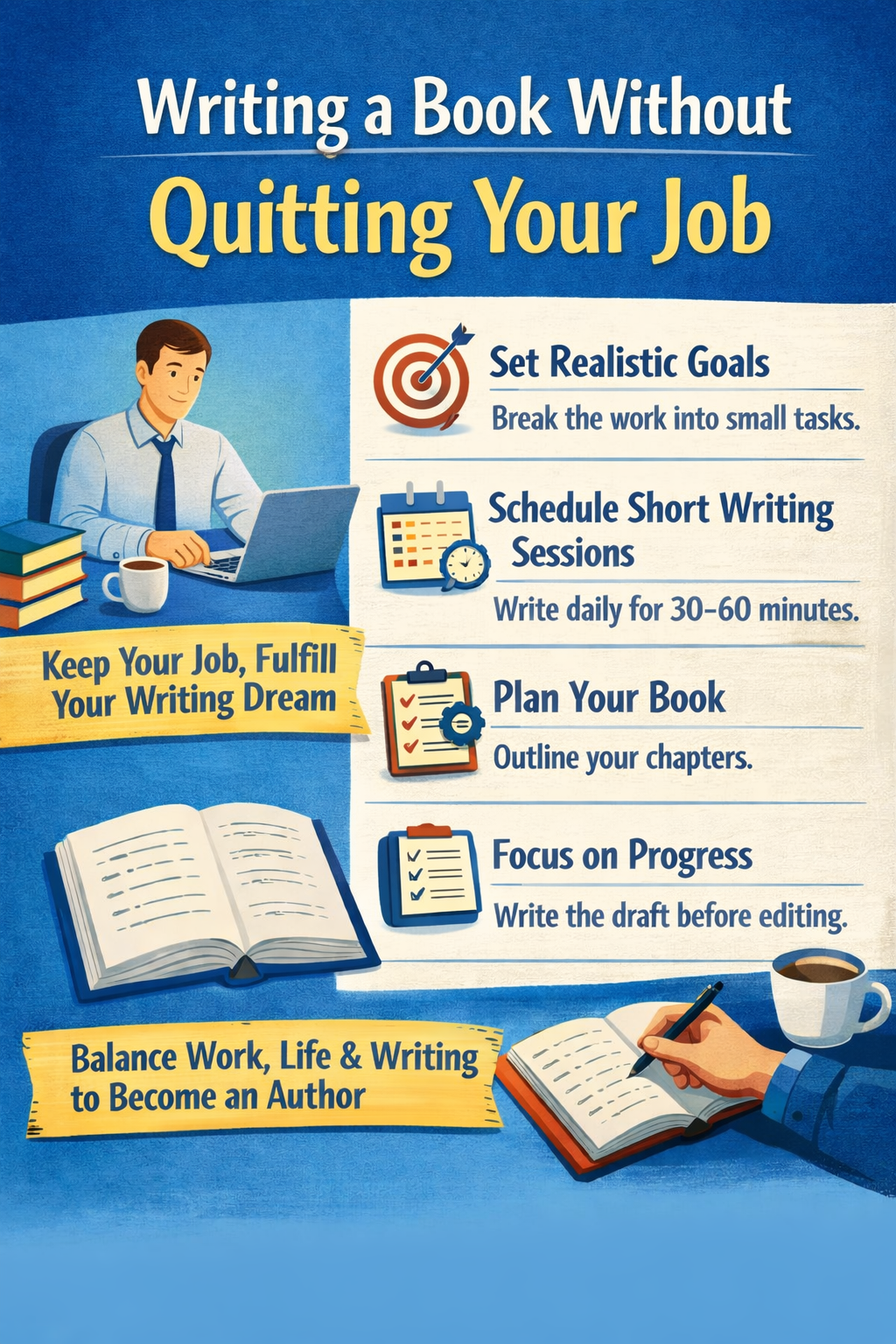
Many writers dream of publishing a book, but most never finish their manuscript. Others complete their draft yet fail to attract readers. The problem is not talent. It is strategy.
Successful authors follow proven systems. They plan their writing, polish their work, and market their books with intention. Without these steps, even a great story can remain unnoticed.
This guide shares practical writing tips for authors who want real results in 2026. You will learn how to write better, publish smarter, and promote effectively. Follow these steps, and you will avoid common pitfalls while building a professional author career.
Step-by-Step Writing Tips for Authors
Step 1: Define Your Book’s Purpose
Before writing a single page, know why your book exists.
Ask yourself:
-
What message do I want readers to remember?
-
Who is my target audience?
-
What problem does my book solve?
Clear answers help you write with focus. Without purpose, your manuscript may feel scattered.
Pro Tip: Write a one-sentence mission statement for your book. Keep it visible while writing.
Step 2: Create a Simple Writing Plan
A book is completed through consistency, not bursts of motivation.
Set:
-
Daily word count goal
-
Weekly chapter target
-
Final deadline
Even 500 words daily equals 15,000 words per month. That means a full draft in about three months.
Planning turns writing from a dream into a schedule.
Step 3: Build a Strong Outline
Outlining saves time and prevents writer’s block. It gives structure to your ideas and ensures logical flow.
Your outline should include:
-
Chapter titles
-
Main points per chapter
-
Key examples or scenes
-
Ending concept
Think of it as a map. Without it, you may wander and rewrite large sections later.
Step 4: Focus on Clear, Simple Language
Readers prefer clarity over complexity. Simple language does not mean basic ideas. It means easy understanding.
Improve readability by:
-
Using short sentences
-
Avoiding jargon
-
Replacing long words with clear ones
-
Breaking long paragraphs
Clarity increases reader engagement and improves reviews.
Step 5: Write First, Edit Later
One of the biggest mistakes authors make is editing while drafting. This slows progress and damages creativity.
Instead:
-
Finish your first draft quickly
-
Ignore grammar mistakes initially
-
Focus on ideas and flow
Editing is a separate phase. Writing and editing together leads to frustration and unfinished manuscripts.
Step 6: Strengthen Your Opening
Your first chapter decides whether readers continue or stop. Strong openings:
-
Start with action or intrigue
-
Introduce a conflict
-
Create curiosity
-
Establish tone
Avoid long background explanations. Hook readers first, then reveal details gradually.
Step 7: Maintain Consistent Tone and Voice
Your writing voice is your identity. Changing tone mid-book confuses readers.
Decide early:
-
Formal or conversational style
-
Fast or descriptive pacing
-
Emotional or analytical tone
Consistency builds trust and professionalism.
Step 8: Edit Like a Professional
Editing transforms a rough draft into a publishable manuscript.
Editing should happen in layers:
Structural Editing
Checks story flow, chapter order, pacing, and clarity.
Line Editing
Improves sentence quality and style.
Proofreading
Fixes grammar, punctuation, and spelling.
Never skip editing. Even experienced authors rely on multiple revisions.
Benefits of Following Proven Writing Tips for Authors
Using structured writing methods gives measurable advantages.
Faster Manuscript Completion
A plan removes hesitation. You spend less time thinking and more time writing.
Higher Reader Engagement
Clear writing keeps readers interested and encourages positive reviews.
Professional Reputation
Well-written books build credibility. Readers trust authors who deliver quality.
Easier Marketing
Strong books promote themselves. Word-of-mouth becomes easier when readers enjoy your content.
Greater Publishing Success
Publishers and agents prefer manuscripts that require minimal correction.
Best Practices Used by Successful Authors
Professional writers follow habits that beginners often ignore.
Write Daily
Consistency matters more than inspiration. Writing regularly strengthens skill and discipline.
Read Widely
Reading improves vocabulary, style awareness, and storytelling ability.
Track Progress
Measure:
-
Words written
-
Chapters completed
-
Editing milestones
Tracking motivates you to continue.
Accept Feedback
Constructive criticism improves your manuscript. Avoid emotional reactions to edits.
Keep Learning
Publishing trends change. Successful authors stay updated with industry practices.
Common Mistakes Authors Must Avoid
Avoiding errors is as important as following good strategies.
Starting Without Research
Writing blindly can lead to poor market fit. Always understand your genre and audience.
Overwriting
Long descriptions and repeated ideas reduce readability. Cut unnecessary words.
Ignoring Structure
Unorganized content confuses readers and weakens your message.
Skipping Professional Editing
Self-editing alone is rarely enough. Outside review improves quality.
Publishing Too Soon
Rushing leads to errors. Take time to polish your book before release.
Writing Tips for Authors Who Want to Publish in 2026
Publishing standards are rising each year. Authors must adapt to modern expectations.
Understand Market Trends
Readers today expect:
-
Clear formatting
-
Engaging pacing
-
Professional cover design
-
Strong opening chapters
Study bestsellers in your genre. Notice their structure and style.
Optimize for Digital Readers
Many readers now use mobile devices. Adjust your writing accordingly.
Tips:
-
Short paragraphs
-
Clear chapter breaks
-
Simple formatting
-
Easy-to-read fonts
Digital readability affects reviews and reader retention.
Prepare a Marketing Mindset Early
Marketing should begin before publication, not after.
Build:
-
Author platform
-
Email list
-
Social audience
-
Launch strategy
Writing and marketing must work together.
Why Professional Publishing Support Matters
Many authors try to manage everything alone. However, professional support often leads to better results.
Expert Editing Improves Quality
Professional editors catch issues writers overlook. They refine structure, clarity, and tone.
Design Enhances First Impressions
Readers judge books quickly. Professional formatting and cover design increase credibility.
Distribution Saves Time
Publishing services handle technical tasks like ISBN setup, formatting, and platform submission.
Marketing Guidance Boosts Visibility
Professionals know which strategies work. They help you reach the right audience faster.
Strategic Planning Reduces Mistakes
Experienced teams understand industry standards. They guide authors through each stage efficiently.
Advanced Writing Strategies for Serious Authors
If you want long-term success, go beyond basics.
Use Reader Psychology
Understand why people read:
-
Entertainment
-
Learning
-
Escape
-
Inspiration
Write with these motivations in mind.
Strengthen Emotional Impact
Readers remember how a book made them feel. Add:
-
Relatable characters
-
Meaningful conflict
-
Authentic dialogue
-
Personal insights
Emotion creates connection.
Master Story or Content Flow
Strong flow keeps readers turning pages.
Improve flow by:
-
Linking ideas smoothly
-
Using transitions
-
Ending chapters with curiosity
-
Avoiding abrupt shifts
Flow transforms average writing into engaging storytelling.
Build Author Branding While Writing
Your book is part of your long-term identity. Decide early:
-
Writing niche
-
Target audience
-
Author voice
-
Message themes
Brand consistency helps readers recognize and follow your work.
Practical Daily Routine for Authors
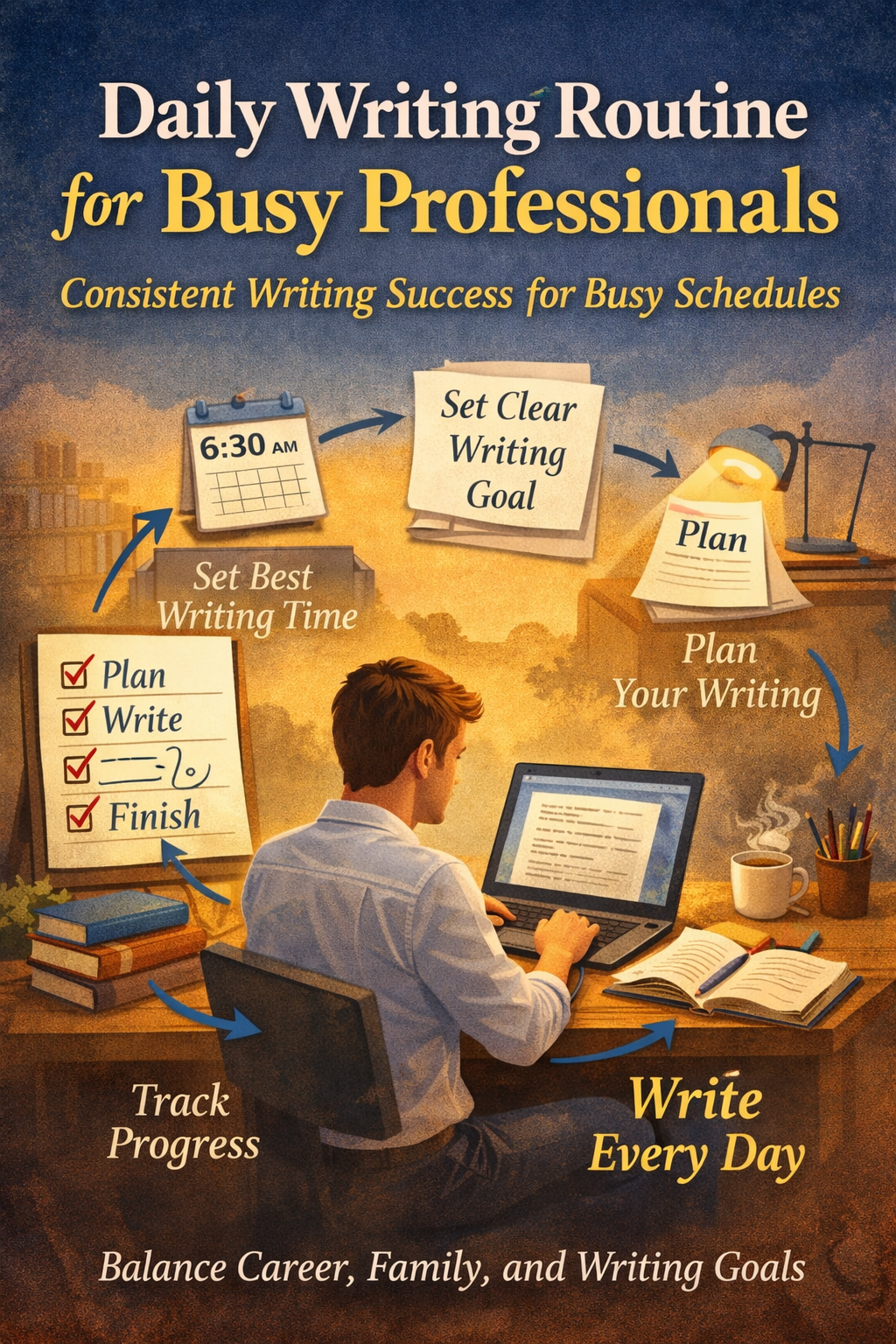
Here is a simple schedule many successful writers follow:
Morning
-
Review previous writing
-
Set daily goal
Midday
-
Write main content
-
Avoid editing
Evening
-
Light revisions
-
Plan next section
This routine balances productivity and improvement without burnout.
Checklist Before Publishing Your Book
Before releasing your manuscript, confirm:
-
Manuscript fully edited
-
Beta readers reviewed it
-
Formatting tested on devices
-
Title and subtitle finalized
-
Description written
-
Marketing plan ready
Skipping this checklist increases risk of negative reviews.
Long-Term Career Strategy for Authors
Writing one book is an achievement. Building a writing career requires strategy.
Focus on:
-
Publishing consistently
-
Building reader trust
-
Growing your audience
-
Improving writing skill
-
Studying market data
Treat writing as a professional journey, not a one-time project.