Writing Tips for Authors: Complete Strategy to Successfully Publish and Market Your Book in 2026
Introduction: Why Most Authors Struggle — And How to Succeed
Many writers dream of publishing a book, but most never reach readers. The problem is not talent. It is lack of strategy. Authors often focus only on writing and ignore editing, publishing options, branding, and marketing.
This guide provides practical writing tips for authors who want results, not just manuscripts. You will learn how to write effectively, prepare your book for publishing, and promote it successfully in 2026’s competitive market.
Whether you are a beginner or experienced writer, this step-by-step roadmap will help you move from idea to published book with confidence.
Writing Tips for Authors: Step-by-Step Strategy
Step 1: Start With a Clear Book Goal
Before writing, define your purpose. A book without direction feels scattered.
Ask yourself:
-
Who is my target reader?
-
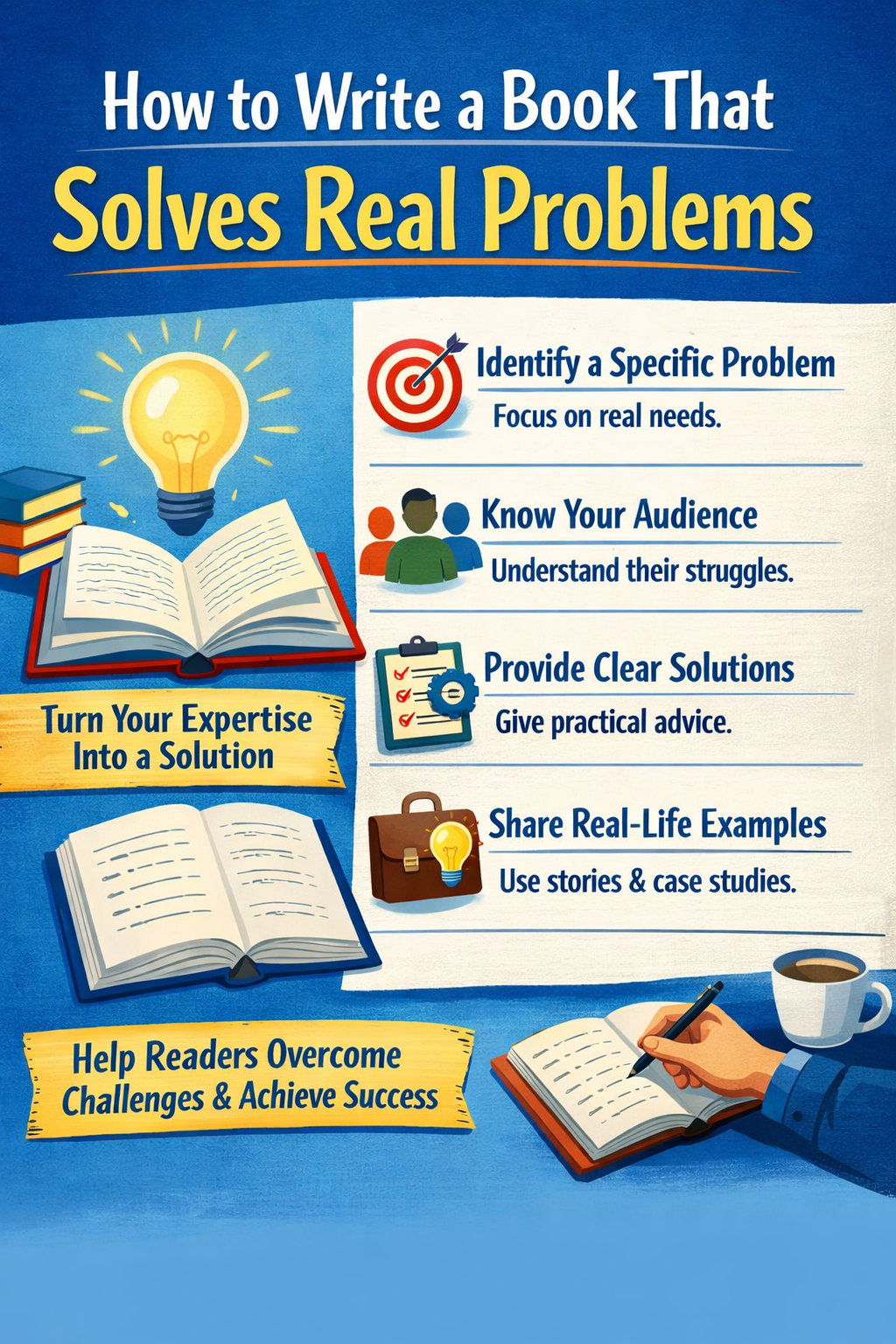
What problem does my book solve?
-
What transformation will readers get?
When your goal is clear, writing becomes easier. Every chapter serves a purpose.
Step 2: Build a Strong Book Outline
Professional authors rarely write without structure. An outline saves time and reduces rewrites.
Effective outline method:
-
Break your book into sections
-
List chapter topics
-
Add key points under each chapter
-
Arrange chapters in logical order
This roadmap keeps your writing focused and prevents writer’s block.
Step 3: Write First Draft Without Editing
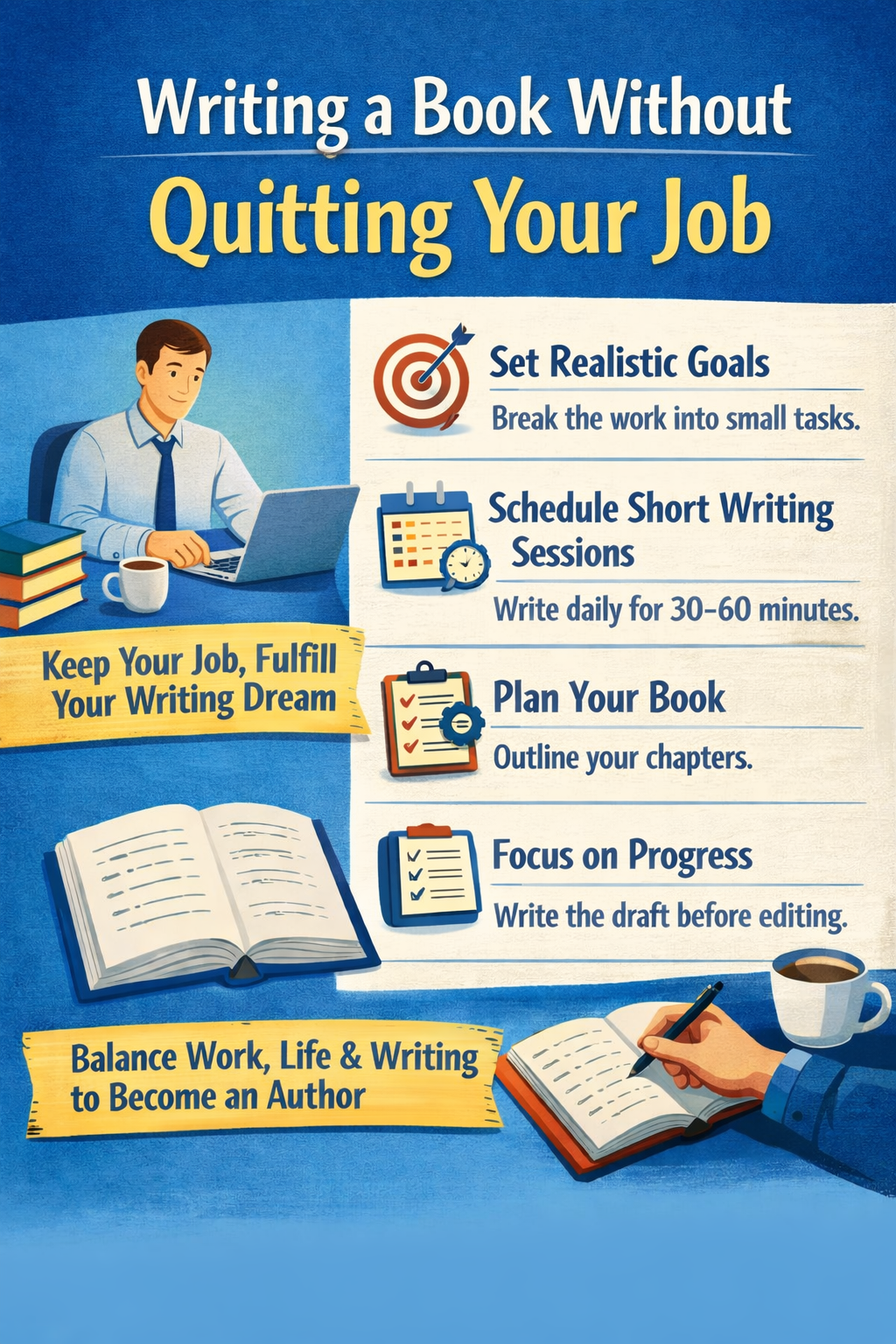
One of the most important writing tips for authors is separating writing from editing. Many writers stall because they try to perfect sentences while drafting.
Instead:
-
Write quickly
-
Ignore grammar errors
-
Focus on ideas
-
Finish draft first
You can edit later. First drafts are meant to be imperfect.
Step 4: Strengthen Your Content Quality
Strong content keeps readers engaged. Weak content causes them to stop reading.
Improve your manuscript by:
-
Using simple language
-
Writing short paragraphs
-
Avoiding unnecessary jargon
-
Including examples and stories
-
Adding actionable advice
Readers value clarity more than complex vocabulary.
Step 5: Revise With a Professional Mindset
Revision is where good books become great. Most successful authors revise multiple times.
Editing checklist:
-
Remove repetition
-
Fix weak sentences
-
Improve transitions
-
Check tone consistency
-
Verify facts
Read your book aloud. This reveals awkward phrasing and unnatural flow.
Step 6: Choose the Right Publishing Path
Modern authors have three main publishing options:
Traditional Publishing
-
Publisher handles editing, printing, distribution
-
Hard to get accepted
-
Less control
-
Lower royalties
Self-Publishing
-
Full control
-
Higher profit per book
-
Faster release
-
Requires marketing effort
Hybrid Publishing
-
Mix of professional help and author control
-
Paid services but higher quality support
Choosing the right path depends on your goals, budget, and timeline.
Step 7: Design a Professional Book Package
Readers judge books by their presentation. Professional design increases credibility instantly.
Essential elements:
-
Eye-catching cover
-
Clean formatting
-
Professional typography
-
Compelling book description
A well-designed book signals quality before readers read a single page.
Step 8: Build a Marketing Plan Before Publishing
Marketing should start before your book launch, not after.
Pre-launch strategies:
-
Build author website
-
Grow email list
-
Share previews on social media
-
Offer free sample chapter
-
Collect early reviews
Launching without marketing is like opening a shop in the desert.
Step 9: Launch Your Book Strategically
Successful launches generate early sales momentum.
Launch tactics:
-
Limited-time discount
-
Launch team promotion
-
Social media countdown
-
Email announcement
-
Virtual event
Early engagement helps your book rank higher on sales platforms.
Step 10: Continue Marketing After Launch
Many authors stop promoting after release. This is a mistake. Marketing should continue long-term.
Post-launch promotion ideas:
-
Guest articles
-
Interviews
-
Podcast appearances
-
Reader giveaways
-
Paid ads
Books sell best when promotion is consistent.
Benefits of Following Professional Writing Tips for Authors
Applying proven strategies gives measurable advantages.
Better Writing Quality
Structured writing improves clarity, flow, and reader engagement.
Faster Publishing Timeline
Planning reduces delays and prevents rewriting entire chapters.
Higher Reader Satisfaction
Well-edited books receive better reviews and recommendations.
Strong Author Brand
Professional presentation builds credibility and trust.
Increased Sales Potential
Strategic marketing leads to more visibility and revenue.
Best Practices Professional Authors Always Follow
Successful writers treat writing like a profession, not a hobby.
Top best practices:
-
Write daily, even if only 500 words
-
Study bestselling books in your genre
-
Invest in editing
-
Accept constructive feedback
-
Track writing goals
Consistency beats motivation. Discipline produces books.
Writing Tips for Authors: Common Mistakes to Avoid
Many authors fail not because they lack skill, but because they repeat common errors.
1. Writing Without Audience Awareness
Books written for “everyone” attract no one. Define your reader clearly.
2. Skipping Professional Editing
Typos and grammar mistakes damage credibility instantly.
3. Choosing Weak Book Titles
A vague title reduces curiosity and clicks.
4. Ignoring Book Cover Design
Amateur covers signal amateur content.
5. Publishing Too Early
Rushing leads to poor reviews that hurt long-term sales.
6. Neglecting Marketing
Even excellent books fail without promotion.
Avoiding these mistakes can dramatically improve your publishing success.
Why Authors Should Consider Professional Publishing Services
Many writers try to manage everything alone. However, professional support often leads to better results.
Expertise You Cannot Replace
Publishing companies offer specialists for:
-
Editing
-
Formatting
-
Cover design
-
Distribution
-
Marketing
Each role requires technical skill.
Time Savings
Writing a book already demands time. Managing publishing tasks alone can delay your launch for months.
Professionals streamline the process so you can focus on writing.
Industry Knowledge
Publishing experts understand:
-
Market trends
-
Reader expectations
-
Platform algorithms
-
Pricing strategies
This knowledge improves your book’s chances of success.
Higher Production Quality
Professional books stand out because they look polished. High-quality formatting and design increase reader trust.
Long-Term Career Support
A reliable publishing partner helps authors build sustainable careers, not just publish one book.
Services may include:
-
Brand development
-
Series planning
-
Author website setup
-
Promotional campaigns
These elements support long-term growth.
Advanced Writing Tips for Authors in 2026
The publishing landscape evolves every year. Authors must adapt to stay competitive.
Use Reader Psychology
Understand why readers choose books:
-
Emotional connection
-
Problem solving
-
Entertainment
-
Personal growth
Writing that meets these motivations sells better.
Optimize for Digital Reading
Many readers now prefer digital formats. Improve readability by:
-
Keeping paragraphs short
-
Using subheadings
-
Avoiding dense text blocks
-
Adding lists
Digital-friendly formatting improves reader retention.
Build an Author Platform
Modern publishing success depends on audience connection.
Platform-building methods:
-
Social media presence
-
Email newsletter
-
Blogging
-
Community groups
Authors with audiences sell more books at launch.
Think Like a Brand
Your name is your brand. Readers should recognize your style and message.
Brand elements include:
-
Consistent tone
-
Recognizable themes
-
Professional visuals
-
Clear niche
Strong branding increases reader loyalty.
Writing Tips for Authors: Practical Daily Writing Routine
A simple routine keeps productivity high.
Sample schedule:
Morning
-
Review outline
-
Write new content
Afternoon
-
Edit previous section
-
Research references
Evening
-
Plan next day’s writing
Even writing one page daily results in a full book within months.
Checklist: Ready-to-Publish Book
Before publishing, confirm these steps:
-
Manuscript edited
-
Title finalized
-
Cover designed
-
Formatting complete
-
Description written
-
Keywords researched
-
Launch plan ready
If any step is missing, delay publication until ready.