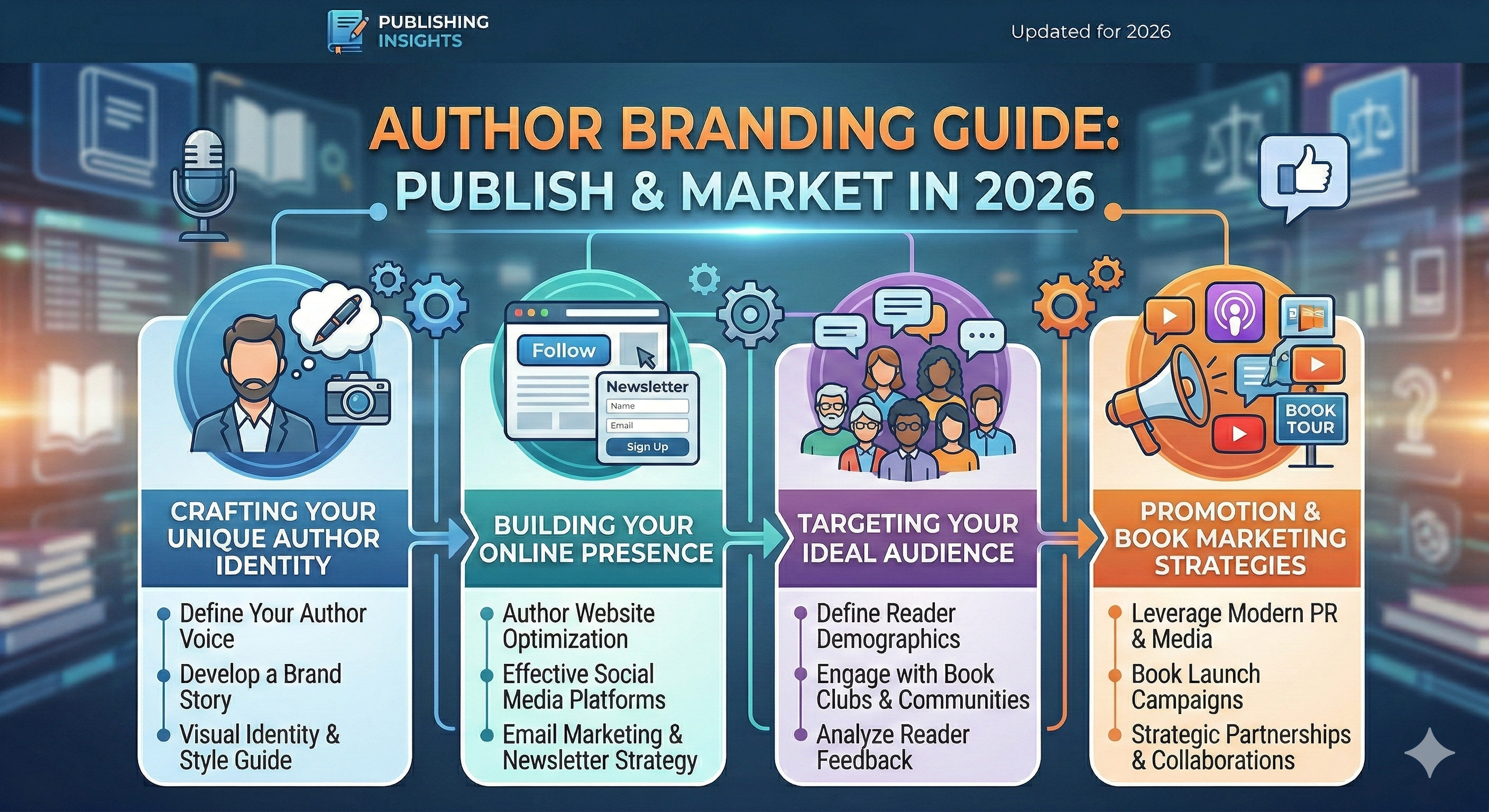
Author Branding Guide 67: Complete Strategy to Successfully Publish and Market Your Book in 2026
Introduction: Why Most Authors Struggle to Stand Out
Publishing a book is easier today than ever before. Standing out is not. Thousands of new titles launch every day, and readers are flooded with choices. Many authors believe writing a great book is enough. In reality, visibility decides success.
That is where a strong Author Branding Strategy 2026 becomes essential. Your brand is what readers remember, trust, and return to. It shapes how they perceive your expertise, personality, and message.
This guide explains exactly how to build a powerful author brand step by step. You will learn how to position yourself, attract readers, and market your book effectively in the modern publishing landscape.
What Is Author Branding?
Author branding is the intentional process of shaping how readers see you. It combines your voice, visuals, message, and online presence into one clear identity.
Think of it as your professional reputation packaged into a recognizable image. A strong brand answers three reader questions instantly:
-
Who are you?
-
What do you write?
-
Why should they trust you?
Without branding, authors look interchangeable. With branding, they become memorable.
Why Author Branding Matters in 2026
Publishing trends have changed. Readers now follow authors, not just books. They subscribe to newsletters, join communities, and wait for future releases.
Here is why branding matters more than ever:
-
Readers prefer authors they feel connected to
-
Social media favors recognizable personalities
-
Publishers choose authors with platforms
-
Book sales increase with audience trust
-
Long-term careers require loyal readers
In short, branding turns a one-time book launch into a sustainable writing career.
Step-by-Step Author Branding Strategy 2026
Step 1: Define Your Author Identity
Start by clarifying your core identity. This is your foundation.
Ask yourself:
-
What genres or topics do I write?
-
What themes appear in my work?
-
What values do I stand for?
-
Who is my ideal reader?
Write a short brand statement that summarizes your purpose. Example:
“I help young professionals master productivity through practical self-help books.”
This statement guides all future branding decisions.
Step 2: Choose Your Brand Positioning
Positioning means deciding how you want readers to see you compared to other authors.
You might position yourself as:
-
The expert
-
The storyteller
-
The motivator
-
The educator
-
The entertainer
Pick one primary identity. Avoid trying to be everything at once. Clarity builds trust faster than complexity.
Step 3: Create a Consistent Visual Brand
Readers recognize visuals before words. Your design elements must stay consistent across platforms.
Essential visual components:
-
Author logo or name design
-
Color palette
-
Typography style
-
Profile photo
-
Book cover style
Consistency makes your work instantly recognizable. When readers see your colors or style, they should think of you immediately.
Step 4: Build a Professional Author Website
Your website is your digital home base. Social media platforms change, but your website remains under your control.
Every author site should include:
-
About page
-
Book pages
-
Email signup form
-
Media or press kit
-
Contact page
-
Blog or updates section
Keep the layout clean and mobile friendly. Readers should find information within seconds.
Step 5: Develop Your Author Voice
Voice is how your personality appears in writing and communication. It should match your genre and audience expectations.
Examples:
-
Thriller writers → suspenseful tone
-
Business authors → confident tone
-
Romance authors → emotional tone
-
Fantasy writers → imaginative tone
Use the same tone across:
-
Website copy
-
Social media posts
-
Emails
-
Interviews
Consistency builds familiarity. Familiarity builds loyalty.
Step 6: Build an Email List Early
Email remains the most reliable marketing channel for authors. Social platforms may change algorithms, but your list stays yours.
Ways to grow your list:
-
Offer a free short story or chapter
-
Share exclusive updates
-
Provide reader resources
-
Run giveaways
Focus on quality subscribers, not just numbers. Engaged readers are more valuable than large inactive lists.
Step 7: Establish Authority in Your Niche
Authority increases credibility. Readers trust authors who demonstrate knowledge or expertise.
Ways to build authority:
-
Write articles in your genre field
-
Speak at events
-
Share insights regularly
-
Collaborate with other authors
-
Appear on podcasts
Authority branding helps both fiction and nonfiction writers. It positions you as a voice worth following.
Step 8: Use Social Media Strategically
You do not need every platform. Choose two or three where your readers spend time.
Focus on:
-
Valuable posts
-
Reader interaction
-
Behind-the-scenes content
-
Book updates
-
Writing insights
Avoid posting randomly. Plan content that supports your brand message.
Step 9: Align Your Books With Your Brand
Your books should match your brand promise. If your brand represents motivational nonfiction, publishing a horror novel will confuse readers.
Consistency builds reader expectations. When expectations are met, readers buy again.
Step 10: Monitor and Adjust Your Brand
Branding is not a one-time task. It evolves as your career grows.
Review your brand every six months:
-
Does it still match your goals?
-
Is your audience responding?
-
Are your visuals consistent?
-
Is your message clear?
Refining your brand keeps it strong and relevant.
Benefits of a Strong Author Brand
A well-executed Author Branding Strategy 2026 offers measurable advantages.
Higher Book Sales
Readers are more likely to buy from authors they recognize and trust.
Faster Audience Growth
Strong branding attracts followers naturally. People remember clear identities.
Stronger Publisher Interest
Agents and publishers prefer authors with established platforms. Branding signals professionalism.
Better Media Opportunities
Journalists and interviewers choose authors who appear credible and authoritative.
Long-Term Career Stability
Books may change. A strong brand stays. That stability supports future launches.
Best Practices for Author Branding Success
Follow these proven practices to strengthen your branding efforts:
-
Keep messaging simple and clear
-
Use consistent visuals everywhere
-
Speak directly to your ideal reader
-
Stay authentic to your personality
-
Focus on long-term growth
-
Track audience engagement
Consistency is the most important factor. A strong brand repeated often becomes recognizable.
Common Author Branding Mistakes to Avoid
Many writers unintentionally weaken their brand. Avoid these common errors.
Inconsistent Identity
Changing your tone, style, or message frequently confuses readers. Stick to a clear identity.
Trying to Appeal to Everyone
When you target everyone, you connect with no one. Focus on a specific audience.
Ignoring Professional Design
Low-quality visuals reduce credibility. Invest in professional design for covers, graphics, and websites.
Over-Promotion
Constantly pushing sales can drive readers away. Balance promotion with value.
Copying Other Authors
Inspiration is fine. Imitation is not. Your uniqueness is your strongest asset.
Why Authors Should Consider Professional Branding Services
Many writers attempt branding alone. While possible, professional guidance speeds results and avoids costly mistakes.
A professional publishing or branding company provides:
-
Strategic positioning
-
Visual identity design
-
Website development
-
Marketing planning
-
Audience analysis
-
Launch strategies
Professionals understand market trends and reader psychology. They build branding systems designed for growth, not guesswork.
Working with experts allows authors to focus on writing while specialists handle strategy and presentation.
Advanced Branding Techniques for 2026
If you want a competitive advantage, apply these advanced tactics.
Personal Story Branding
Readers connect with stories more than credentials. Share your journey, struggles, and motivations.
Community Building
Create a reader community through:
-
Private groups
-
Membership platforms
-
Live sessions
-
Exclusive content
Communities turn readers into loyal supporters.
Multimedia Presence
Modern audiences consume content in multiple formats.
Expand your reach through:
-
Short videos
-
Audio messages
-
Live streams
-
Visual quotes
Different formats attract different reader types.
Data-Driven Branding
Track performance metrics such as:
-
Email open rates
-
Social engagement
-
Website traffic
-
Conversion rates
Data reveals what works and what needs improvement.
Author Branding Checklist
Use this quick checklist to evaluate your brand readiness:
-
Clear author mission statement
-
Defined target audience
-
Consistent visuals
-
Professional website
-
Email list system
-
Active reader engagement
-
Strategic content plan
-
Strong book positioning
If you can check most of these, your brand foundation is strong.