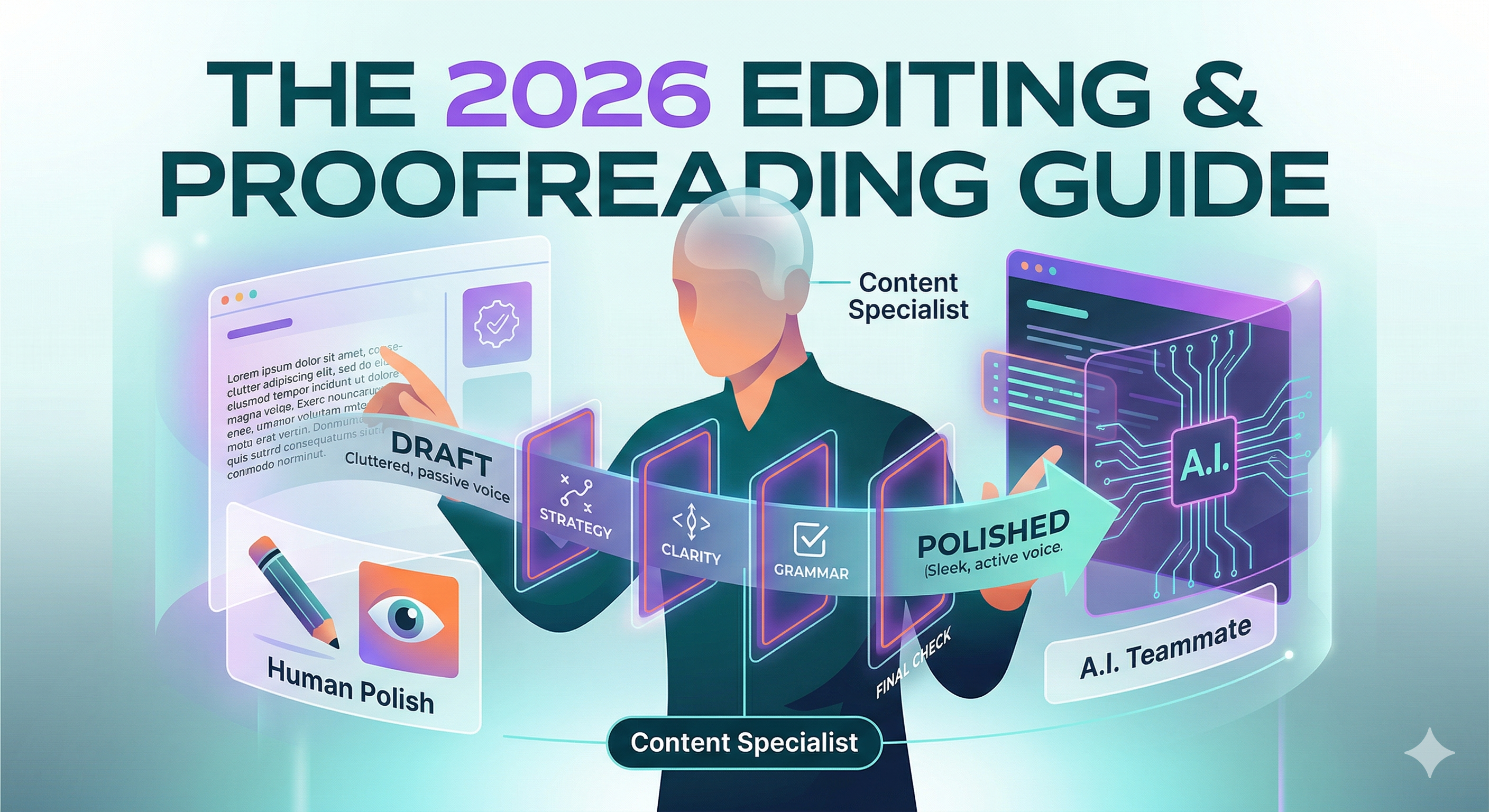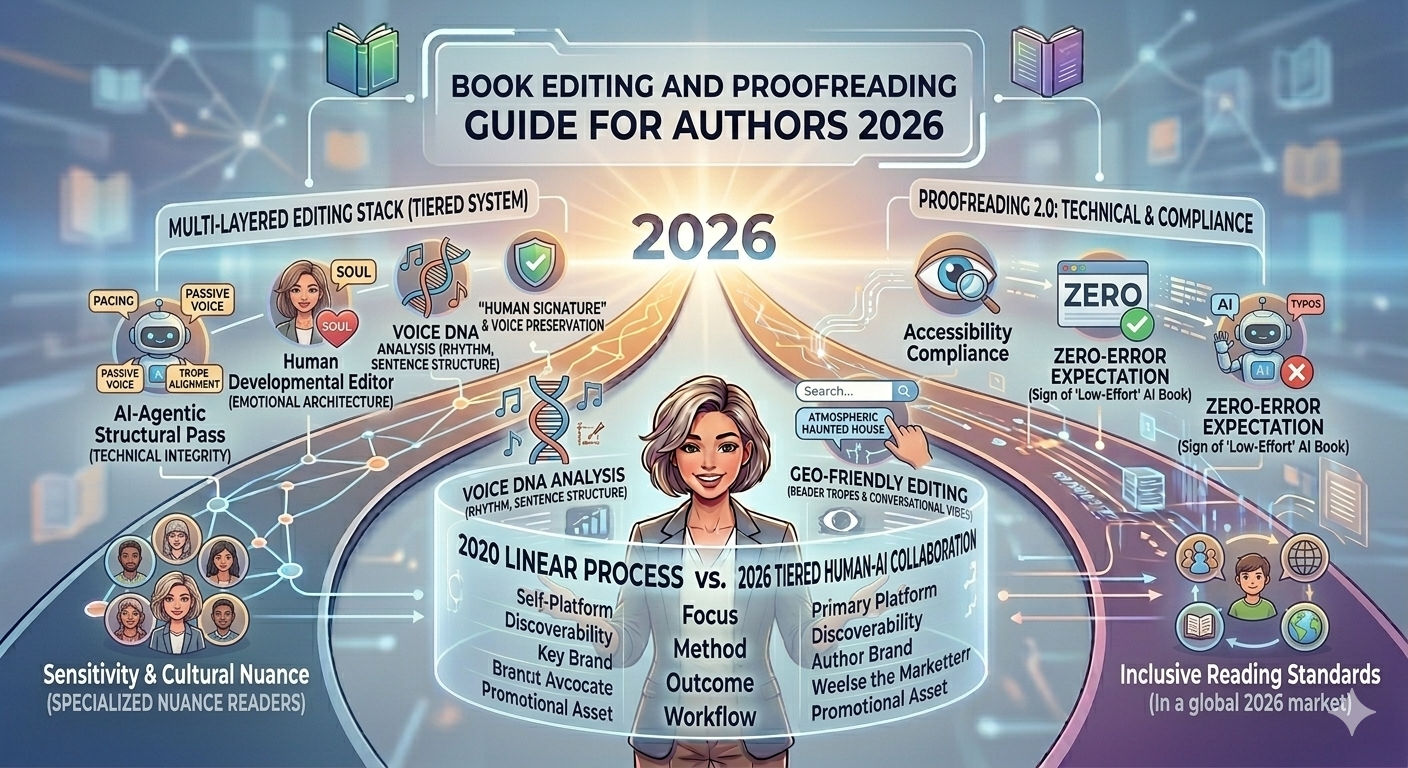
Complete Editing and Proofreading Guide for Authors 2026
Introduction: Why Editing Determines Publishing Success
Many authors finish writing a manuscript and believe the hardest part is over. In reality, writing is only half the journey. Poor grammar, unclear sentences, and structural issues can ruin a great story or idea. Readers notice mistakes quickly, and even small errors can damage credibility.
This Editing and Proofreading Guide explains exactly how to refine your manuscript before publishing. You’ll learn step-by-step methods, expert techniques, common mistakes to avoid, and when to hire professionals. By the end, you’ll know how to transform a rough draft into a polished, publish-ready book.
What Editing and Proofreading Really Mean
Many writers think editing and proofreading are the same. They are not. Each serves a different purpose and happens at a different stage.
Editing
Editing focuses on improving the content itself. This includes:
-
Clarity
-
Structure
-
Flow
-
Tone
-
Consistency
-
Accuracy
Editors may suggest rewriting sections, rearranging chapters, or removing unnecessary content.
Proofreading
Proofreading is the final quality check. It looks for:
-
Grammar mistakes
-
Spelling errors
-
Punctuation issues
-
Formatting inconsistencies
-
Typos
Editing improves the message. Proofreading perfects the presentation. Both are essential for professional publishing.
Types of Editing Every Author Should Know
Understanding editing levels helps you choose the right service and avoid paying for the wrong one.
Developmental Editing
This is the deepest form of editing. It examines:
-
Story structure
-
Plot or argument strength
-
Character development
-
Organization
-
Audience fit
Best for early drafts.
Line Editing
Line editing improves readability and style. It focuses on:
-
Sentence flow
-
Tone consistency
-
Word choice
-
Clarity
Best for second or third drafts.
Copy Editing
Copy editing corrects technical issues:
-
Grammar
-
Syntax
-
Consistency
-
Facts
-
Formatting
Best before final proofreading.
Proofreading
The final stage. It ensures your manuscript is error-free before publishing.
Step-by-Step Editing and Proofreading Guide for Authors
Follow this structured workflow to avoid missing critical improvements.
Step 1: Take a Break After Writing
Never edit immediately after finishing your draft. Distance helps you see mistakes clearly. Wait at least a few days before reviewing.
Fresh eyes catch:
-
Repetitive words
-
Plot holes
-
Awkward sentences
Step 2: Start With Big-Picture Editing
Look at structure before grammar. Fixing sentences before fixing structure wastes time.
Check:
-
Chapter order
-
Logical flow
-
Missing information
-
Weak sections
Step 3: Cut Unnecessary Content
Most first drafts are too long. Remove anything that doesn’t serve the reader.
Delete:
-
Repetitions
-
Off-topic sections
-
Overly long descriptions
-
Unnecessary dialogue
Strong writing is concise writing.
Step 4: Improve Sentence Clarity
Rewrite complex sentences so they are easier to understand. Aim for simple language and direct phrasing.
Example approach:
-
Replace passive voice with active voice
-
Break long sentences
-
Remove filler words
Step 5: Check Consistency
Readers notice inconsistencies quickly. Verify:
-
Character names
-
Dates and timelines
-
Spelling style
-
Formatting
-
Terminology
Create a style sheet to track these details.
Step 6: Grammar and Technical Corrections
Now focus on technical accuracy. Review:
-
Verb tense consistency
-
Subject-verb agreement
-
Punctuation rules
-
Capitalization
Use grammar tools if needed, but never rely only on them.
Step 7: Final Proofreading Pass
This is your last check before publishing.
Read slowly and carefully. Look only for errors, not style changes.
Tips:
-
Read aloud
-
Print your manuscript
-
Change font size
-
Review backward paragraph by paragraph
These tricks help your brain notice mistakes it normally ignores.
Benefits of Following a Structured Editing Process
A clear editing system improves both quality and credibility.
Professional Appearance
Books without errors look trustworthy. Readers take the content more seriously.
Better Reader Experience
Clear writing keeps readers engaged. Confusing text causes frustration and negative reviews.
Higher Sales Potential
Well-edited books receive stronger ratings and recommendations. This directly impacts sales.
Stronger Author Reputation
Readers remember authors who deliver polished work. Quality builds long-term loyalty.
Best Practices From Professional Editors
Professional editors follow proven rules to ensure quality. Applying these practices improves your results.
Edit in Multiple Rounds
Never try to fix everything at once. Focus on one issue per pass.
Example editing rounds:
-
Structure
-
Content clarity
-
Language quality
-
Grammar
-
Proofreading
Use Checklists
Create editing checklists so you don’t forget key steps. This keeps your process consistent.
Read Aloud
Hearing your writing exposes:
-
Awkward phrasing
-
Missing words
-
Repetition
If a sentence sounds wrong, it usually is.
Track Changes Carefully
Always save versions of your manuscript. This allows you to compare edits and restore deleted sections if needed.
Common Editing Mistakes Authors Must Avoid
Even skilled writers make editing errors. Avoid these frequent problems.
Editing Too Early
Editing while writing interrupts creativity. Finish your draft first.
Ignoring Structure Problems
Fixing grammar before structure wastes time. Big issues must be solved first.
Over-Editing
Too many changes can remove personality from your writing. Edit for clarity, not perfection.
Skipping Proofreading
Many authors rush to publish and skip the final check. This leads to embarrassing mistakes.
Relying Only on Software
Automated tools help, but they miss context errors and style issues. Human review is always necessary.
Editing Tools That Can Support Your Process
While manual editing is essential, tools can speed up your workflow.
Useful tool categories:
-
Grammar checkers
-
Style analyzers
-
Readability testers
-
Plagiarism detectors
-
Formatting tools
Use them as assistants, not replacements for careful editing.
Self-Editing vs Professional Editing
Many authors wonder whether they should edit their own book or hire experts. The best approach often combines both.
Advantages of Self-Editing
-
Saves money
-
Improves writing skills
-
Gives full creative control
-
Helps you understand your habits
Limitations of Self-Editing
-
Hard to spot your own mistakes
-
Emotional attachment to text
-
Blind spots in structure
-
Limited technical expertise
Advantages of Professional Editing
Professional editors provide:
-
Objective feedback
-
Industry standards knowledge
-
Technical precision
-
Structural expertise
-
Market awareness
They see problems writers often miss.
Why Choose a Professional Editing Service
Hiring a professional editing company can dramatically improve your manuscript quality. Here’s why many authors choose this option.
Expertise Across Genres
Professional editors understand genre expectations. They know what readers expect from:
-
Fiction
-
Nonfiction
-
Academic books
-
Children’s books
-
Memoirs
Industry Standards Knowledge
Publishing standards change over time. Professionals stay updated on formatting, style, and language trends.
Time Efficiency
Editing a book yourself can take months. A skilled editor completes the process faster while maintaining quality.
Objective Feedback
Friends and family may hesitate to critique your work. Professionals give honest, constructive feedback that improves your book.
Higher Publishing Acceptance Rates
Agents, publishers, and readers prefer manuscripts that are already polished. Professional editing increases approval chances.
How to Choose the Right Editor
Not all editors are the same. Selecting the right one is crucial.
Consider these factors:
-
Experience level
-
Genre specialization
-
Portfolio samples
-
Client testimonials
-
Editing style
-
Communication quality
Always request a sample edit before hiring. This helps you see whether their approach matches your expectations.
Editing Timeline for Publishing in 2026
Planning your editing schedule ensures you meet publishing deadlines.
Suggested timeline:
6–8 months before publication
-
Developmental editing
4–6 months before
-
Line editing
2–4 months before
-
Copy editing
1 month before
-
Proofreading
Final weeks
-
Formatting check
Starting early prevents rushed edits and costly mistakes.
Signs Your Manuscript Needs More Editing
Sometimes authors believe their book is ready when it isn’t. Watch for these warning signs:
-
Beta readers feel confused
-
Feedback mentions unclear sections
-
Readers point out repeated phrases
-
Tone feels inconsistent
-
Chapters feel out of order
-
Reviews mention errors
If you notice these issues, your manuscript needs further editing before publishing.
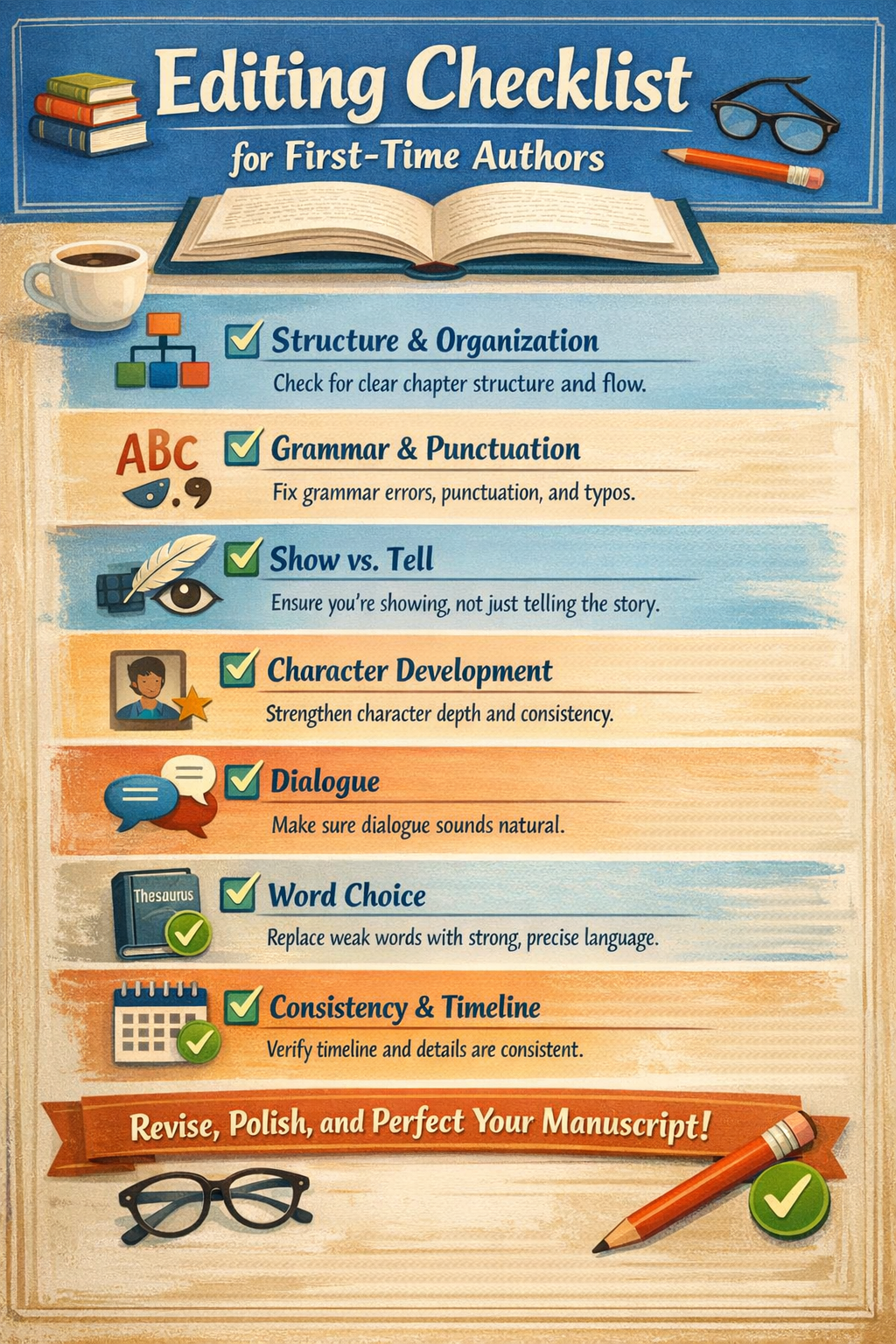
Editing Checklist Before Publishing
Use this final checklist to confirm readiness.
Content
-
Clear message
-
Strong opening
-
Logical flow
-
Strong conclusion
Language
-
Concise sentences
-
Consistent tone
-
No repetition
Technical
-
Correct grammar
-
Accurate punctuation
-
Consistent formatting
Final
-
Proofread twice
-
Reviewed by another person
-
Saved final version
Future Trends in Editing and Proofreading for 2026
Publishing standards evolve every year. Authors who stay updated gain an advantage.
Key trends shaping editing:
-
Readers expect faster release schedules
-
Digital publishing demands cleaner formatting
-
Global audiences require clear language
-
Professional presentation is becoming standard
In 2026, competition among authors is stronger than ever. Books that lack professional editing struggle to compete.