How Many Book Editing Rounds Does Your Book Need?
Writing a book is a major achievement. However, finishing your manuscript is only the beginning. Many authors assume one quick edit is enough. Unfortunately, that’s rarely true.
Most successful books go through multiple book editing rounds before publication. Each round improves clarity, structure, and quality. Without proper editing, even a great story can fail to connect with readers.
The good news is that editing follows a clear process. Once you understand it, you can prepare your manuscript properly and publish with confidence.
In this guide, you’ll learn how many editing rounds your book needs, what happens in each stage, and how to achieve professional results.
Understanding Book Editing Rounds
What Are Book Editing Rounds?
Book editing rounds are multiple review stages where your manuscript is improved step by step. Each round focuses on different aspects of the book.
Instead of fixing everything at once, editing works in layers.
For example:
-
First round improves the story and structure
-
Second round improves sentence clarity
-
Third round fixes grammar and errors
-
Final round prepares the book for publishing
This layered approach ensures nothing is missed.
Why One Editing Round Is Not Enough
Many authors try to save time or money by doing only one edit. However, this creates problems.
Here’s why multiple editing rounds are important:
-
You cannot see all mistakes at once
-
Fixing structure may create new sentence errors
-
Small grammar issues appear later
-
Fresh reviews improve overall quality
Professional publishers never rely on a single editing pass. Multiple rounds are standard practice.
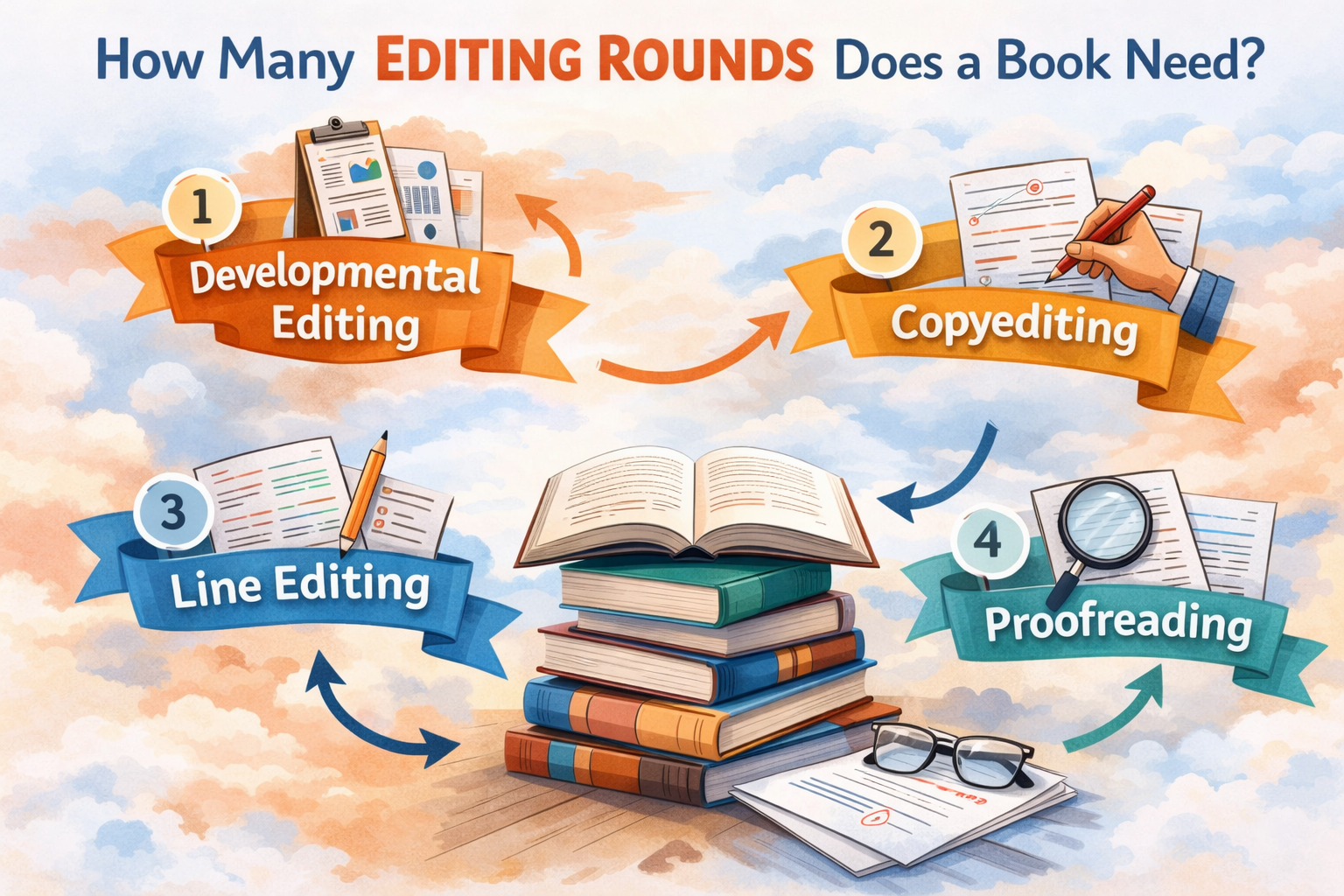
How Many Book Editing Rounds Does a Book Need?
Most books need at least 3 to 5 editing rounds.
Let’s look at each round in detail.
Round 1: Developmental Editing
What Is Developmental Editing?
This is the most important editing stage. It focuses on the big picture.
It improves:
-
Story structure
-
Plot flow
-
Character development
-
Organization
-
Clarity of ideas
This round answers questions like:
-
Does the story make sense?
-
Are there confusing sections?
-
Is the pacing correct?
Why This Round Matters Most
Without strong structure, grammar fixes don’t help.
For example:
Even a perfectly written sentence cannot fix a weak story.
Developmental editing builds a strong foundation.
Round 2: Line Editing
What Is Line Editing?
Line editing improves how your book sounds.
It focuses on:
-
Sentence clarity
-
Word choice
-
Tone
-
Flow
-
Readability
This round makes your writing smooth and professional.
Example of Line Editing
Before:
He quickly ran very fast toward the big large building.
After:
He sprinted toward the building.
Cleaner. Stronger. Better.
Round 3: Copy Editing
What Is Copy Editing?
Copy editing fixes technical errors.
It corrects:
-
Grammar
-
Spelling
-
Punctuation
-
Consistency
This stage ensures your book looks professional.
Why Copy Editing Is Essential
Grammar mistakes reduce reader trust.
Readers may stop reading if errors are frequent.
Copy editing protects your reputation as an author.
Round 4: Proofreading
What Is Proofreading?
Proofreading is the final editing stage.
It fixes small mistakes missed earlier.
This includes:
-
Typing errors
-
Formatting issues
-
Spacing problems
-
Minor punctuation errors
When Proofreading Happens
Proofreading happens after formatting.
It prepares your book for publishing.
This is the last quality check.
Round 5: Author Review and Final Edits
Your Final Review
After professional editing, authors review the manuscript again.
This step allows you to:
-
Accept or reject changes
-
Add final improvements
-
Confirm everything is correct
This is your final polishing stage.
Summary: Standard Book Editing Rounds
Most books follow this process:
-
Developmental editing
-
Line editing
-
Copy editing
-
Proofreading
-
Final author review
Some books need fewer rounds. Others need more.
It depends on manuscript quality.
Factors That Affect How Many Editing Rounds You Need
Not every book needs the same number of editing rounds.
Here are the main factors.
1. Your Writing Experience
New authors need more editing.
Experienced authors need fewer rounds.
Practice improves writing quality.
2. Manuscript Complexity
Complex books need more editing.
Examples:
-
Fantasy novels
-
Academic books
-
Technical books
Simple books need fewer edits.
3. Self-Editing Quality
Authors who self-edit well reduce editing rounds.
Good self-editing saves time and money.
4. Publishing Goals
Professional publishing requires higher quality.
If you want:
-
Traditional publishing
-
Bestseller success
-
Strong reviews
You need proper editing.
Benefits of Multiple Book Editing Rounds
Editing improves your book in many ways.
1. Improves Readability
Clear writing keeps readers engaged.
Readers enjoy smooth books.
2. Builds Professional Reputation
Professional editing makes you look serious.
It builds reader trust.
3. Increases Book Sales
High-quality books receive better reviews.
Better reviews increase sales.
4. Reduces Negative Feedback
Editing removes mistakes.
Fewer mistakes mean fewer complaints.
5. Improves Reader Experience
Readers remember well-edited books.
They recommend them to others.
Best Practices for Effective Book Editing Rounds
Follow these tips for best results.
Practice 1: Take a Break Before Editing
Wait 1–2 weeks after writing.
Fresh eyes catch more mistakes.
Practice 2: Self-Edit First
Before hiring editors:
-
Fix obvious errors
-
Improve clarity
-
Remove unnecessary words
This reduces editing costs.
Practice 3: Edit in Stages
Do not edit everything at once.
Focus on one thing at a time.
For example:
-
Structure first
-
Grammar later
Practice 4: Use Professional Editors
Professional editors provide expert feedback.
They improve quality faster.
Practice 5: Never Skip Proofreading
Proofreading is essential.
Even small mistakes affect readers.
Common Mistakes Authors Make
Avoid these editing mistakes.
Mistake 1: Editing While Writing
Finish writing first.
Editing early slows progress.
Mistake 2: Doing Only One Editing Round
One round is not enough.
Multiple rounds improve quality.
Mistake 3: Ignoring Professional Editing
Self-editing alone is not enough.
Professional editors add value.
Mistake 4: Rushing the Editing Process
Editing takes time.
Rushing reduces quality.
Mistake 5: Ignoring Feedback
Feedback improves your book.
Accept helpful suggestions.
Self-Editing vs Professional Editing
Both are important.
Self-Editing Benefits
-
Saves money
-
Improves writing skills
-
Removes basic errors
Professional Editing Benefits
-
Expert feedback
-
Higher quality
-
Industry-standard results
-
Better publishing success
Professional editing is essential for serious authors.
Why Choose a Professional Book Editing Company
Professional editing companies provide complete editing support.
Expert Editors
They understand publishing standards.
They improve your manuscript properly.
Structured Editing Process
Professional companies follow all editing rounds.
They ensure nothing is missed.
Saves Time
Editing yourself takes months.
Professionals finish faster.
Improves Publishing Success
Agents and publishers expect edited manuscripts.
Professional editing improves acceptance chances.
Improves Reader Satisfaction
Readers expect high-quality books.
Editing ensures professional results.
How to Know When Your Book Editing Is Complete
Your editing is complete when:
-
No grammar errors remain
-
Structure is clear
-
Story flows smoothly
-
No confusing sections
-
Proofreading is done
Your book should feel polished.
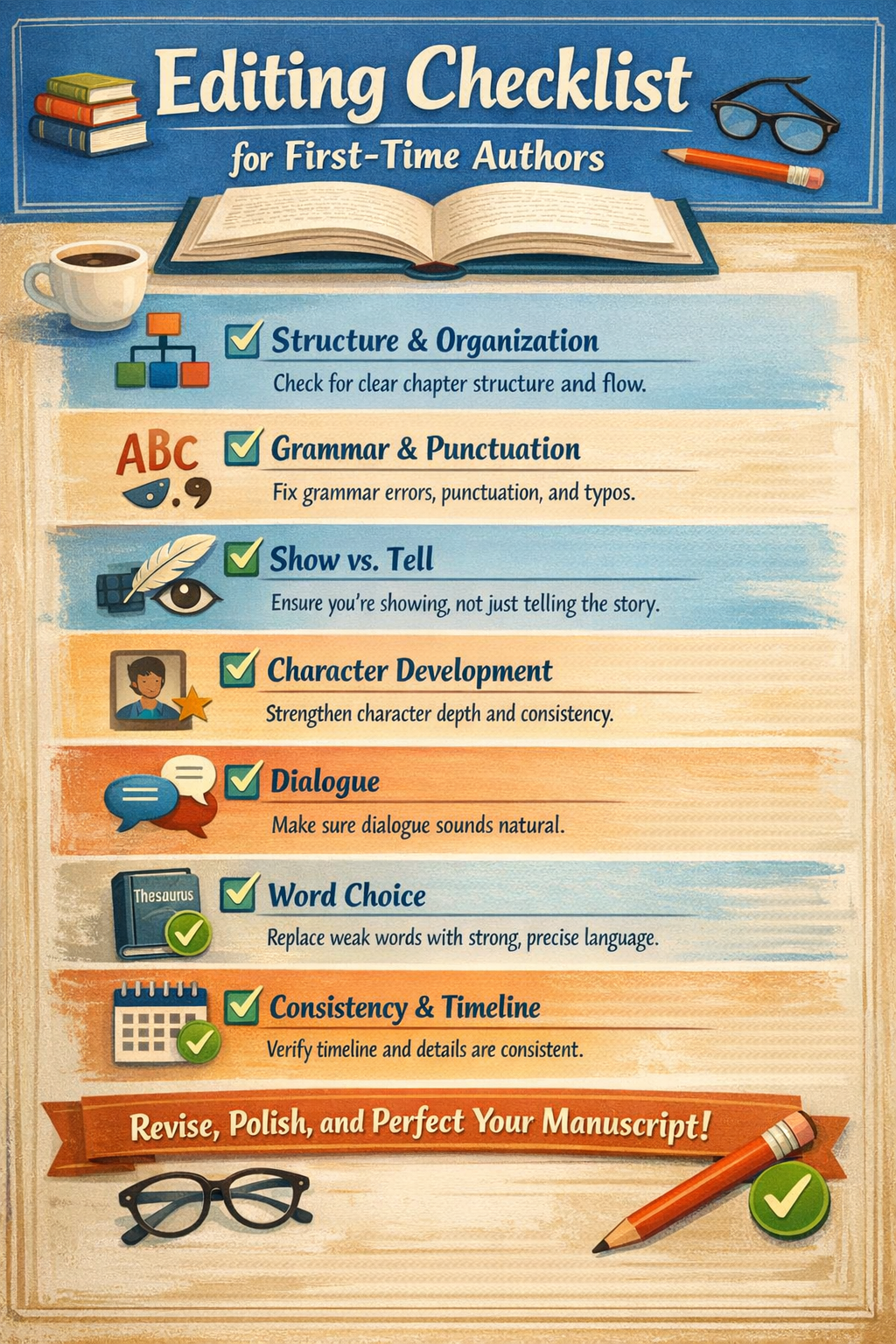
Editing Checklist for Authors
Use this checklist.
Before publishing, confirm:
-
Structure is strong
-
Sentences are clear
-
Grammar is correct
-
Formatting is clean
-
Proofreading is done
If yes, your book is ready.
Real-World Example of Book Editing Rounds
Professional books go through many edits.
Traditional publishers often use:
-
3–7 editing rounds
-
Multiple editors
-
Professional proofreaders
This ensures high quality.
Self-published authors should follow similar standards.
How Editing Rounds Improve Book Quality Step by Step
Editing transforms your book.
Step by step:
Draft → Developmental Edit → Line Edit → Copy Edit → Proofread → Published Book
Each stage improves quality.