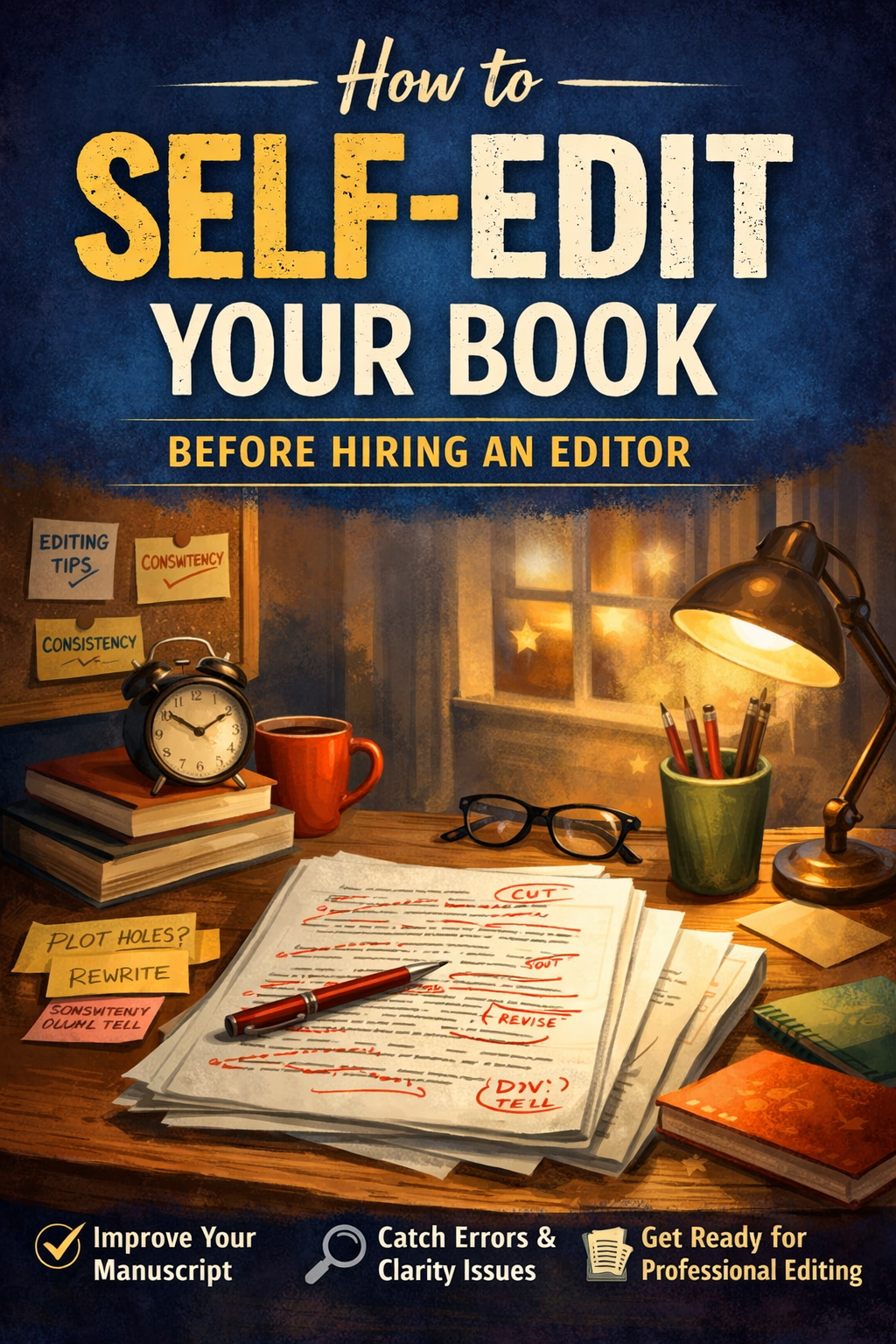
How to Self-Edit Your Book Before Hiring an Editor
Introduction: Why Self-Editing Matters More Than You Think
You’ve finished writing your book. That alone is a huge achievement. However, your first draft is rarely ready for publication. Many authors make the mistake of sending their manuscript to an editor too soon.
Professional editing is valuable, but it can also be expensive. More importantly, editors expect you to submit your best possible draft. This is where learning how to self-edit your book becomes essential.
Self-editing helps you:
-
Improve your manuscript quality
-
Reduce editing costs
-
Speed up the publishing process
-
Become a better writer
Most importantly, it allows editors to focus on deeper improvements instead of fixing basic mistakes.
This guide will walk you through step-by-step methods to prepare your manuscript professionally before hiring an editor.
Step-by-Step Guide to Self-Edit Your Book
Step 1: Take a Break Before Editing
Why Distance Improves Editing
After finishing your draft, do not edit immediately. Your brain is too familiar with the content. You will miss mistakes because you know what you intended to say.
Take a break for at least:
-
1 week for short books
-
2–4 weeks for longer manuscripts
This break helps you return with fresh eyes.
You will see:
-
Plot holes
-
Weak sentences
-
Repetition
-
Errors you missed earlier
This is the first and most important step to successfully self-edit your book.
Step 2: Start With Big Picture Editing (Developmental Editing)
Focus on Structure First, Not Grammar
Many authors focus on grammar first. This is a mistake.
Instead, look at the overall structure.
Ask yourself:
-
Does the story make sense?
-
Are there plot holes?
-
Is the pacing too slow or too fast?
-
Are chapters in the correct order?
For nonfiction, ask:
-
Is the information organized logically?
-
Are ideas clear and easy to understand?
-
Does each chapter serve a purpose?
Check Chapter Strength
Each chapter should:
-
Have a clear purpose
-
Move the story or idea forward
-
Keep readers engaged
Remove anything unnecessary.
Remember: clarity is more important than length.
Step 3: Improve Clarity and Readability
Remove Unnecessary Words
New writers often use too many words.
For example:
Weak:
He walked very slowly across the large open field.
Better:
He walked slowly across the field.
Simple writing is powerful.
Look for:
-
Long sentences
-
Confusing phrases
-
Repeated ideas
Break long sentences into shorter ones.
This improves reader experience.
Step 4: Fix Dialogue and Voice
Make Dialogue Sound Natural
If your book includes dialogue, read it aloud.
Ask yourself:
-
Does it sound real?
-
Does each character have a unique voice?
-
Is it too long?
Avoid unnecessary conversation.
Every dialogue should serve a purpose.
It should:
-
Reveal character
-
Move the story forward
-
Add tension or emotion
Step 5: Eliminate Repetition
Repetition weakens your writing.
Watch for repeated:
-
Words
-
Phrases
-
Descriptions
-
Information
For example, avoid using the same word too frequently.
Instead of:
He was very tired. He felt very tired. Being very tired made him weak.
Write:
He was exhausted. The fatigue made him weak.
This makes writing stronger and more professional.
Step 6: Check Grammar, Spelling, and Punctuation
Now focus on technical corrections.
Look for:
-
Spelling errors
-
Grammar mistakes
-
Missing punctuation
-
Incorrect formatting
Pay special attention to:
-
Commas
-
Quotation marks
-
Paragraph breaks
Clean grammar makes your manuscript easier to edit professionally.
Step 7: Read Your Manuscript Aloud
This is one of the most powerful editing techniques.
Reading aloud helps you:
-
Catch awkward sentences
-
Find missing words
-
Improve flow
Your ears notice problems your eyes miss.
If a sentence sounds wrong, rewrite it.
This step significantly improves your ability to self-edit your book effectively.
Step 8: Check Consistency
Consistency is critical in professional books.
Check for consistency in:
Character Details
-
Names
-
Personality
-
Appearance
Timeline
-
Dates
-
Events
-
Sequence
Formatting
-
Chapter titles
-
Headings
-
Font style
Inconsistency makes your book look unprofessional.
Step 9: Cut Unnecessary Content
Be honest with your work.
Remove anything that:
-
Adds no value
-
Slows the story
-
Repeats information
This can be difficult, but it improves quality.
Remember:
Good writing is clear writing.
Not longer writing.
Step 10: Get Feedback From Beta Readers
Before hiring an editor, get feedback from beta readers.
These are early readers who review your manuscript.
They can identify:
-
Confusing sections
-
Boring parts
-
Plot problems
Ask specific questions like:
-
Which part was boring?
-
Which part was confusing?
-
Which part was most interesting?
Use their feedback to improve your manuscript.
This makes professional editing more effective.
Benefits of Self-Editing Before Hiring an Editor
Learning to self-edit your book offers many advantages.
1. Saves Money
Editors charge based on manuscript condition.
Cleaner manuscripts cost less to edit.
2. Improves Writing Skills
You learn:
-
Better sentence structure
-
Clear writing
-
Professional techniques
These skills help future books.
3. Speeds Up Publishing
Editors spend less time fixing basic errors.
This speeds up the editing process.
You publish faster.
4. Improves Manuscript Quality
Self-editing improves:
-
Clarity
-
Flow
-
Professionalism
Your book becomes stronger.
Best Practices to Self-Edit Your Book Like a Professional
Follow these proven best practices.
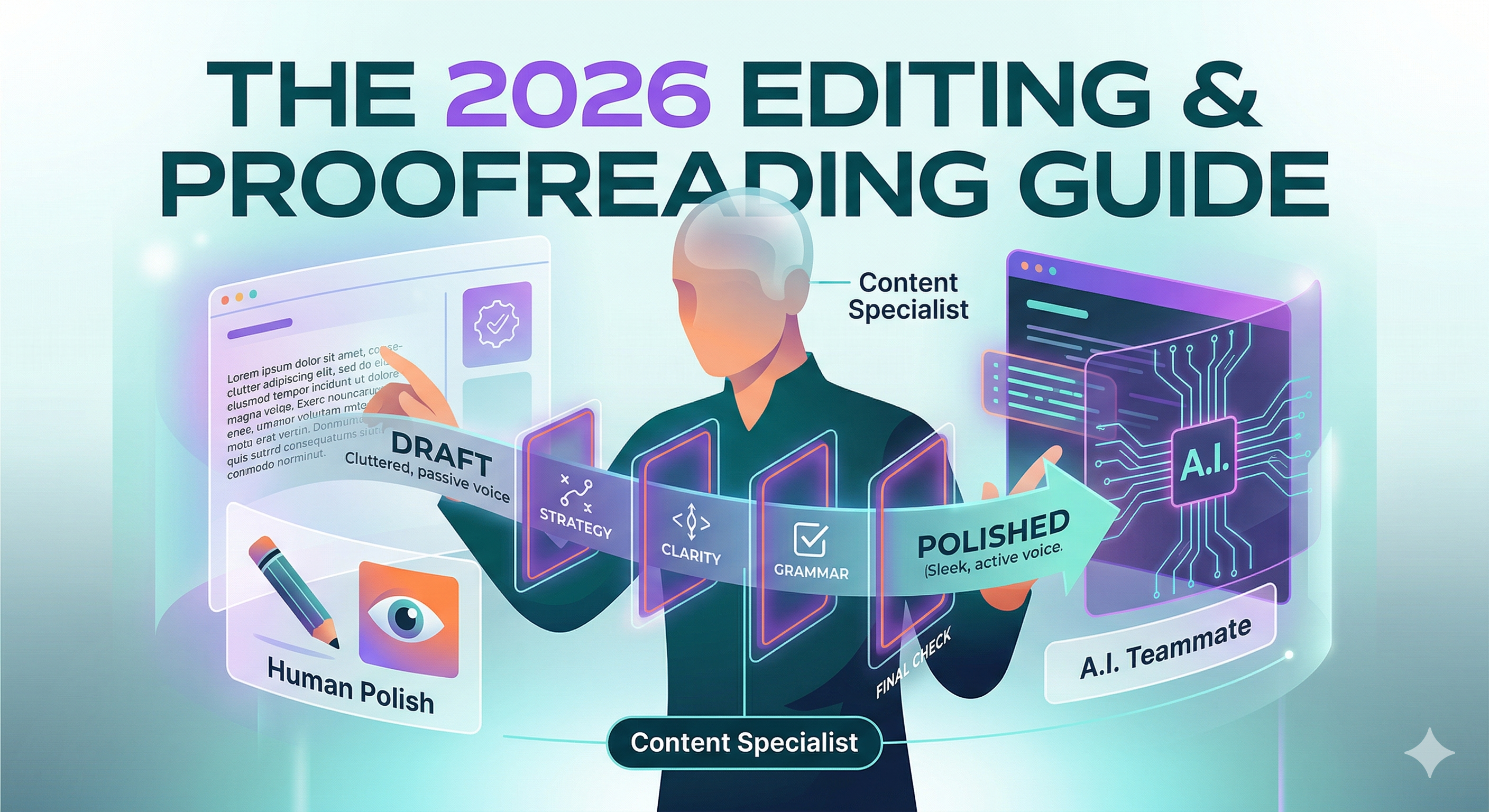
Edit in Multiple Rounds
Do not edit everything at once.
Instead, edit in stages:
-
Structure
-
Clarity
-
Grammar
-
Consistency
This improves accuracy.
Change Format While Editing
Change how your manuscript looks.
For example:
-
Change font
-
Change font size
-
Print on paper
This helps you see mistakes.
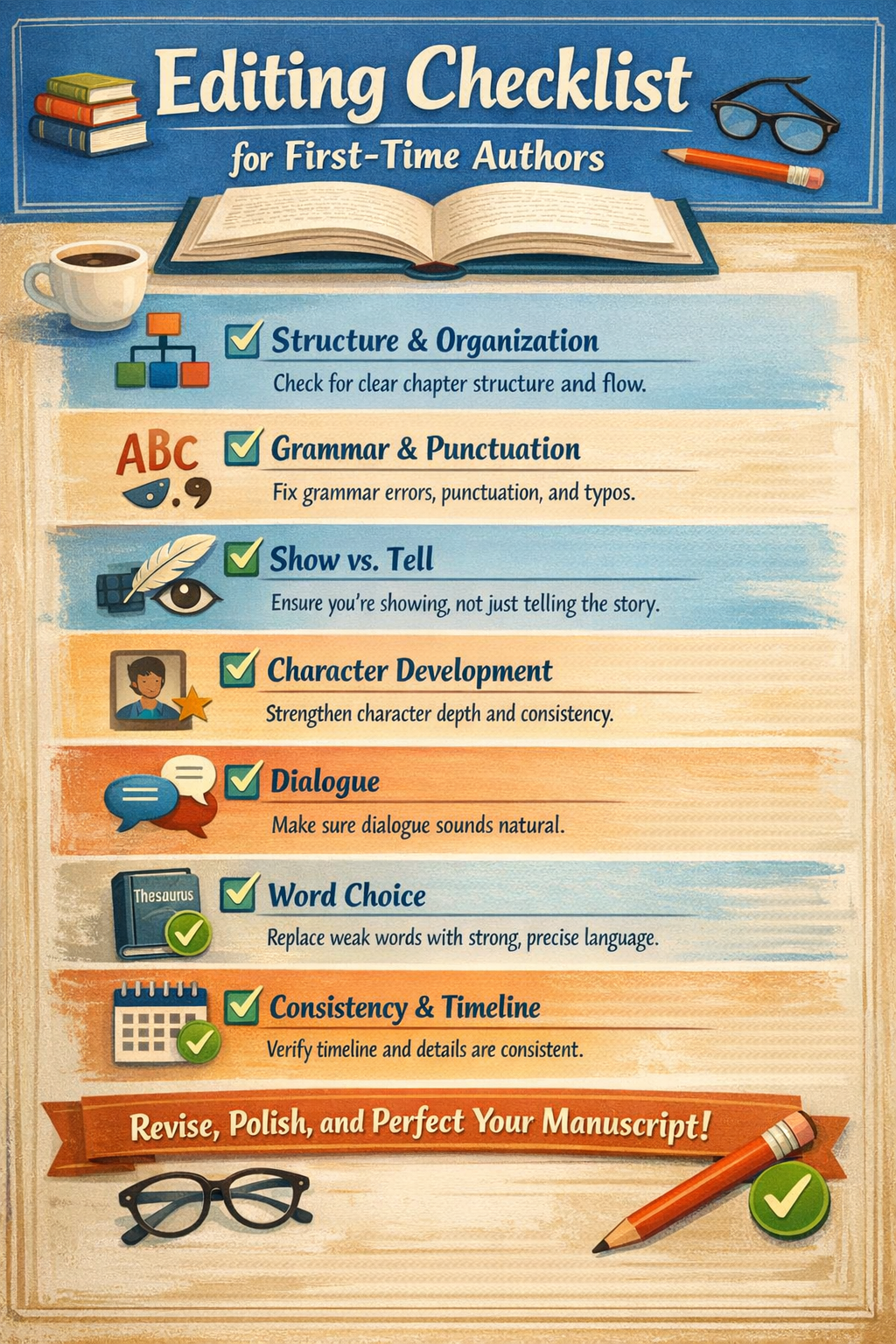
Use a Checklist
Professional editors use checklists.
Create your own checklist for:
-
Grammar
-
Repetition
-
Clarity
-
Consistency
This keeps editing organized.
Focus on One Problem at a Time
Do not try to fix everything together.
Focus separately on:
-
Structure
-
Language
-
Grammar
This improves quality.
Common Mistakes to Avoid When You Self-Edit Your Book
Avoid these common errors.
Editing Too Soon
Always take a break first.
Fresh perspective improves editing.
Ignoring Big Problems
Fix structure before grammar.
Story problems matter more.
Trying to Be Perfect
Self-editing improves your manuscript.
But perfection requires professional editing.
Editing Only Once
Professional editing requires multiple rounds.
Never rely on one edit.
Refusing to Remove Content
Many writers keep unnecessary sections.
Be willing to cut weak content.
Why You Still Need a Professional Editor
Self-editing is essential.
But it is not enough.
Professional editors provide expert improvements.
They focus on:
-
Deep structural issues
-
Advanced grammar
-
Professional polish
They prepare your manuscript for publishing.
Professional Editors Improve Market Success
A professionally edited book:
-
Builds credibility
-
Improves reader experience
-
Gets better reviews
Poor editing damages your reputation.
Professional editing protects your work.
Professional Editing Helps You Grow as a Writer
Editors provide valuable feedback.
You learn:
-
Writing techniques
-
Industry standards
-
Professional quality expectations
This improves future books.
How Self-Editing and Professional Editing Work Together
Self-editing and professional editing are partners.
Self-editing prepares your manuscript.
Professional editing perfects it.
Together, they create high-quality books.
This combination gives the best results.
Self-Editing Checklist Summary
Use this checklist before hiring an editor:
-
Take a break
-
Fix structure
-
Improve clarity
-
Remove repetition
-
Check grammar
-
Read aloud
-
Ensure consistency
-
Cut unnecessary content
-
Get beta reader feedback
This ensures your manuscript is ready.