How to Write a Book Proposal That Gets Approved
Introduction: Why Most Book Proposals Get Rejected
Many aspiring authors dream of getting a publishing deal. However, most face rejection before their book is even written. The main reason is simple: their book proposal is weak.
Publishers do not just invest in ideas. They invest in authors, audiences, and market potential. A poorly written book proposal makes publishers doubt the book’s success.
The good news is that you can learn how to create a strong book proposal that gets approved. With the right structure, clear writing, and smart positioning, you can convince publishers your book is worth publishing.
This guide will show you exactly how to do it.
What Is a Book Proposal?
A book proposal is a professional document used to pitch your book to publishers. It explains your book idea, your target audience, and why your book will sell.
It is most commonly used for:
-
Nonfiction books
-
Business books
-
Self-help books
-
Educational books
-
Memoirs
Unlike fiction, nonfiction books are often sold based on the proposal, not the full manuscript.
Think of your book proposal as a business plan for your book.
Why a Strong Book Proposal Is Important
A strong book proposal helps publishers answer key questions:
-
Is this book needed?
-
Will readers buy it?
-
Is the author qualified?
-
Can this book compete in the market?
If your proposal answers these questions clearly, your chances of approval increase significantly.
Step-by-Step Guide to Writing a Book Proposal
Let’s break down each section of a professional book proposal.
Step 1: Start With a Powerful Overview
What Is the Overview?
The overview is the most important section of your book proposal. It gives a summary of your book and explains why it matters.
This is your first impression.
What to Include
Your overview should include:
-
Book title and subtitle
-
Book concept
-
Problem your book solves
-
Target audience
-
Unique value of your book
Example
Instead of saying:
“This book is about productivity.”
Say:
“This book helps busy professionals double their productivity using simple, science-based methods in just 30 days.”
Be clear and specific.
Step 2: Define Your Target Audience
Publishers want books that sell. To prove that, you must define your audience.
Include Details Like:
-
Age group
-
Profession
-
Interests
-
Problems they face
Example
Bad example:
“Everyone can read this book.”
Good example:
“This book is for working professionals aged 25–45 who struggle with time management.”
The more specific you are, the better.
Step 3: Highlight the Market Opportunity
This section proves your book has demand.
Include:
-
Market trends
-
Why the topic is popular
-
Why your book is needed now
Explain why readers will choose your book.
Step 4: Add a Competitive Analysis
Publishers want to know your competition.
List 3–5 similar books and explain:
-
Their strengths
-
Their weaknesses
-
How your book is different
Example Format
Book 1:
-
Strength: Popular topic
-
Weakness: Too technical
Your advantage:
-
Simpler and easier to understand
This shows your book fills a gap.
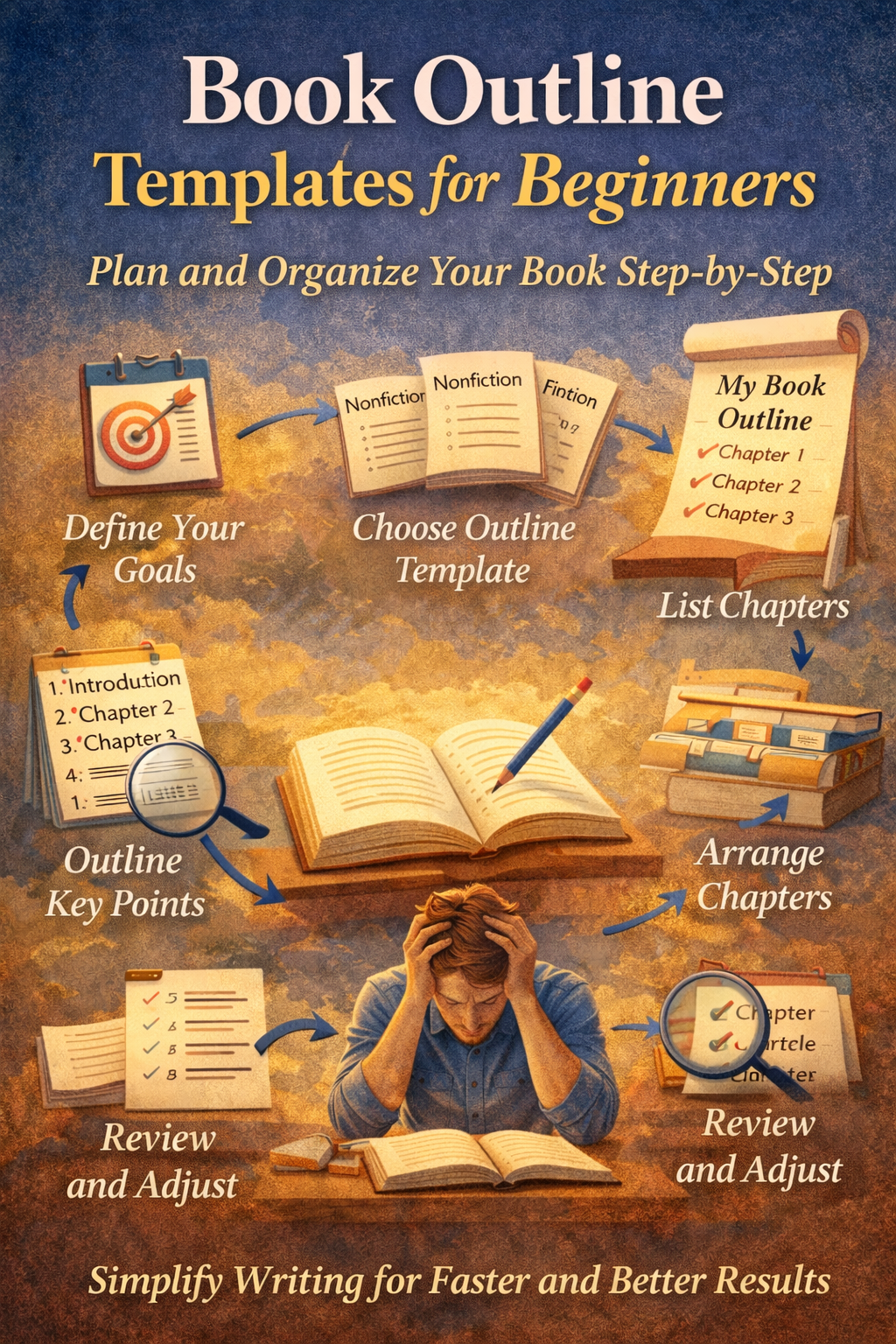
Step 5: Create a Detailed Chapter Outline
This section shows your book structure.
List all chapters and describe each briefly.
Example
Chapter 1: Understanding Productivity
Explains common productivity myths.
Chapter 2: Time Management Basics
Introduces simple techniques.
And so on.
This helps publishers see your complete plan.
Step 6: Include Sample Chapters
Most publishers ask for 1–3 sample chapters.
This shows your writing quality.
Make sure your sample chapters are:
-
Clear
-
Professional
-
Engaging
This is where many proposals fail.
Take time to make it perfect.
Step 7: Write Your Author Bio
Your author bio builds trust.
Include:
-
Your experience
-
Your qualifications
-
Your achievements
-
Your expertise related to the topic
Even if you are a new author, you can include:
-
Blogging experience
-
Teaching experience
-
Speaking experience
Show why you are the right person to write this book.
Step 8: Add Your Marketing Plan
Publishers prefer authors who help promote their books.
Include how you will market your book.
Examples:
-
Social media audience
-
Email list
-
Website or blog
-
Workshops or seminars
-
YouTube channel
This makes publishers more confident.
Step 9: Include Book Details
Add technical information like:
-
Word count
-
Completion timeline
-
Book format
Example:
Estimated word count: 60,000 words
Completion time: 6 months
Benefits of Writing a Strong Book Proposal
A professional book proposal offers many advantages.
1. Increases Approval Chances
Publishers take you seriously.
2. Helps You Clarify Your Book Idea
You understand your book better.
3. Attracts Better Publishing Deals
Strong proposals lead to better offers.
4. Builds Your Professional Image
You look like a serious author.
Best Practices for Writing a Book Proposal
Follow these proven tips.
Be Clear and Specific
Avoid vague statements.
Be direct.
Focus on Benefits, Not Just Content
Explain how your book helps readers.
Not just what it contains.
Use Simple Language
Avoid complex words.
Make it easy to understand.
Show Market Demand
Prove readers want your book.
Be Professional
Use proper formatting.
No spelling errors.
Common Book Proposal Mistakes to Avoid
Avoid these common errors.
Mistake 1: Being Too General
General ideas are weak.
Be specific.
Mistake 2: Ignoring Target Audience
Publishers want defined readers.
Mistake 3: Weak Sample Chapters
Poor writing leads to rejection.
Mistake 4: No Marketing Plan
Publishers expect author involvement.
Mistake 5: Overconfidence Without Proof
Do not claim your book will be a bestseller without evidence.
Be realistic.
Tips to Make Your Book Proposal Stand Out
Use these expert strategies.
Focus on Unique Value
Explain what makes your book different.
Solve a Real Problem
Problem-solving books sell better.
Show Your Authority
Build credibility.
Be Passionate and Professional
Passion attracts publishers.
Professionalism builds trust.
How Long Should a Book Proposal Be?
Most book proposals are:
-
15 to 30 pages
It depends on:
-
Genre
-
Publisher requirements
Quality matters more than length.
How Long Does Approval Take?
Approval can take:
-
Few weeks to several months
Be patient.
Many authors submit to multiple publishers.
Why Choose a Professional Book Proposal Writing Service
Many authors struggle to write proposals.
Professional services help improve success.
Professional Quality
Experts know what publishers want.
Better Structure
They follow industry standards.
Strong Positioning
They highlight your book’s strengths.
Saves Time
You focus on writing your book.
Higher Approval Chances
Professional proposals perform better.
Who Should Use Professional Services?
Professional help is useful for:
-
First-time authors
-
Busy professionals
-
Business owners
-
Coaches and experts
It helps avoid rejection.
Traditional Publishing vs Self-Publishing
Book proposals are mainly required for:
Traditional publishing.
Self-publishing does not require proposals.
However, writing one still helps organize your book.
What Publishers Really Look For
Publishers focus on:
-
Market demand
-
Author credibility
-
Unique idea
-
Writing quality
-
Sales potential
Your book proposal must show all these.
Final Checklist Before Submission
Before submitting your book proposal, check:
-
Clear overview
-
Defined audience
-
Competitive analysis
-
Chapter outline
-
Sample chapters
-
Author bio
-
Marketing plan
-
Error-free writing
This increases success.