Hybrid Publishing Guide 2026: Complete Strategy to Successfully Publish and Market Your Book
Publishing a book in 2026 is no longer a one-size-fits-all process. Authors today face a major decision: traditional publishing, self-publishing, or something in between.
Many writers want creative control but also need professional support. Others want speed without sacrificing quality. That’s exactly where hybrid publishing steps in.
This Hybrid Publishing Guide 2026 explains how the model works, why it’s growing rapidly, and how you can use it strategically to publish and market your book successfully.
If you want control, credibility, and commercial potential—this guide is for you.
What Is Hybrid Publishing?
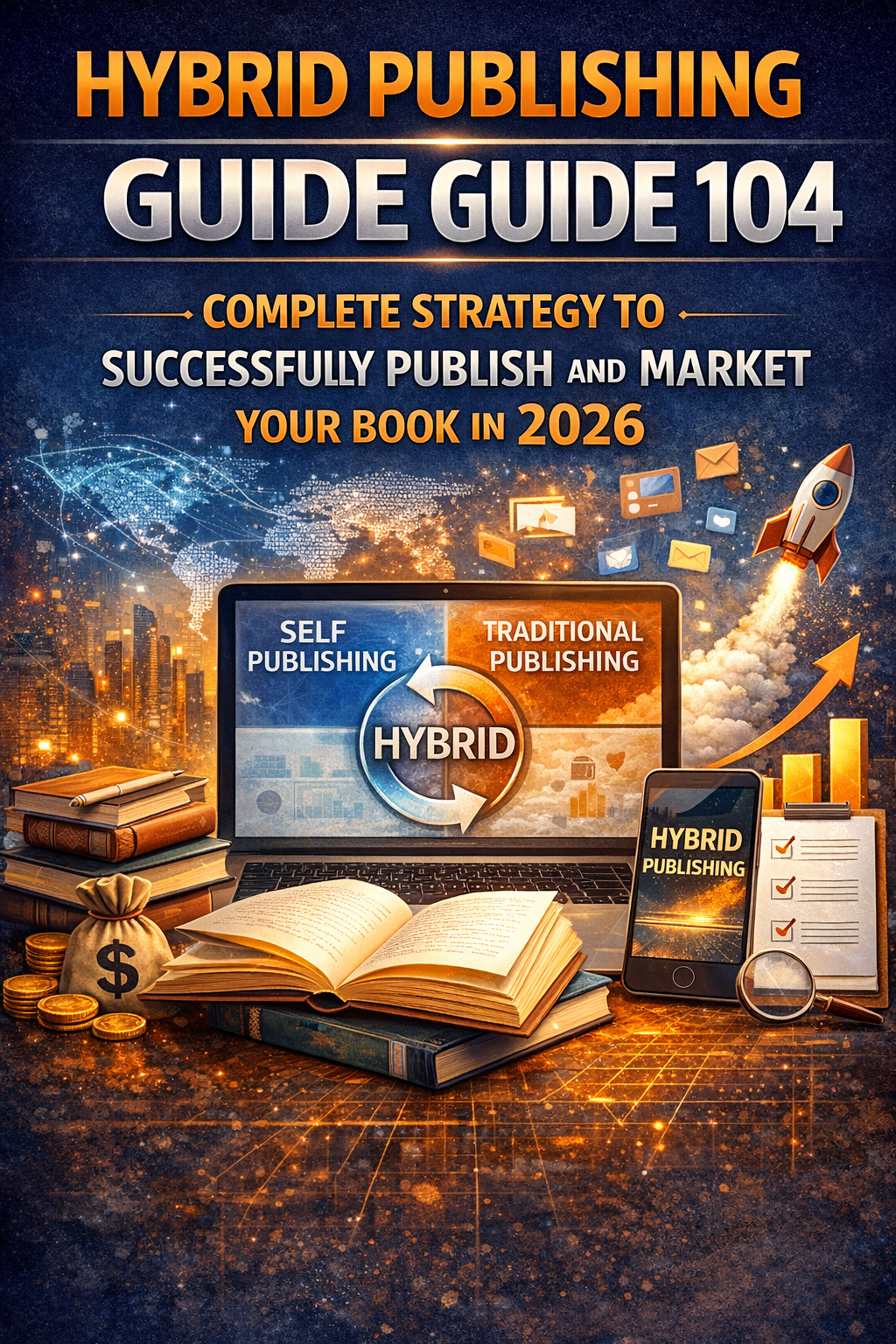
Hybrid publishing combines elements of traditional publishing and self-publishing.
In a traditional model:
-
The publisher funds production.
-
The author receives royalties.
-
Creative control is limited.
In self-publishing:
-
The author funds everything.
-
The author keeps full control.
-
The author handles most responsibilities.
Hybrid publishing blends both approaches.
You invest in professional publishing services, but you also receive:
-
Higher royalty percentages
-
Professional editing and design
-
Structured distribution
-
Marketing support
It offers a balanced path for serious authors.
Why Hybrid Publishing Is Growing in 2026
The publishing industry has changed dramatically.
In 2026, authors want:
-
Faster publishing timelines
-
Transparent royalty models
-
Professional production quality
-
Global distribution options
Hybrid publishing answers all of these needs.
Additionally, readers expect polished books. Poor editing or weak design can damage an author’s credibility. Hybrid publishing ensures professional standards without giving up ownership.
Step-by-Step Hybrid Publishing Strategy for 2026
Let’s break down the full process.
Step 1: Define Your Publishing Goals
Before choosing a hybrid publisher, clarify:
-
Are you building an author brand?
-
Do you want speaking opportunities?
-
Is your goal bestseller status?
-
Are you publishing for business growth?
Clear goals guide every decision—from editing to marketing budget.
Step 2: Prepare a Market-Ready Manuscript
Hybrid publishers expect quality.
Before submission:
-
Complete revisions
-
Seek beta readers
-
Ensure strong structure and clarity
Even though professional editing is included, your manuscript should be as polished as possible.
Step 3: Choose the Right Hybrid Publisher
Not all hybrid publishing companies are equal.
Look for:
-
Transparent pricing
-
Clear royalty breakdown
-
Distribution partnerships
-
Editing and design samples
-
Author testimonials
Avoid companies that:
-
Guarantee bestseller status
-
Hide contract details
-
Overpromise marketing results
A reputable hybrid publisher acts as a partner—not just a service provider.
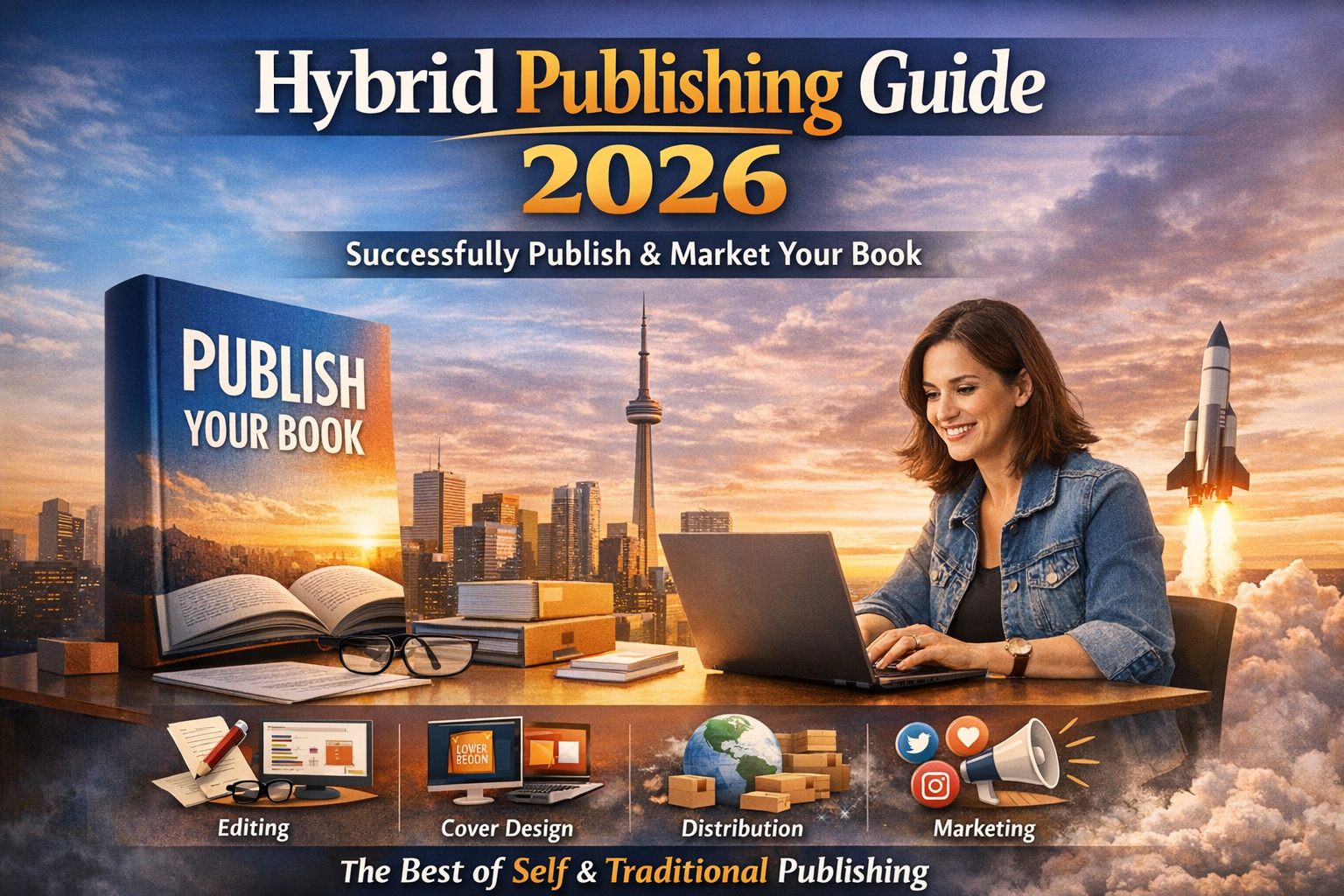
Step 4: Professional Editing
Editing is non-negotiable.
Hybrid publishing typically includes:
Developmental Editing
Improves structure, pacing, and clarity.
Copyediting
Fixes grammar, sentence flow, and consistency.
Proofreading
Eliminates final errors before printing.
Strong editing directly impacts reviews and long-term sales.
Step 5: High-Quality Book Cover and Interior Design
Readers judge books by their covers.
Your cover must:
-
Match your genre
-
Look professional online (especially as a thumbnail)
-
Communicate tone clearly
Interior formatting also matters for:
-
Print editions
-
eBooks
-
Large print versions
A polished design builds trust instantly.
Step 6: ISBN, Copyright, and Legal Setup
Hybrid publishers often assist with:
-
ISBN registration
-
Copyright documentation
-
Barcode generation
-
Metadata optimization
Owning your ISBN strengthens your publishing identity.
Make sure contract terms clarify:
-
Rights ownership
-
Duration of agreement
-
Revenue splits
Always read contracts carefully.
Step 7: Distribution Channels
Distribution determines visibility.
A strong hybrid publishing strategy in 2026 includes:
-
Online retailers
-
Global marketplaces
-
Print-on-demand services
-
eBook platforms
-
Expanded wholesale distribution
Ask whether your book will be available in:
-
International markets
-
Libraries
-
Bookstores
Wide distribution increases credibility and reach.
Step 8: Strategic Book Marketing Plan
Publishing is only half the journey.
Marketing is where success is built.
A strong marketing strategy includes:
Pre-Launch Campaign
-
Cover reveal
-
Email list building
-
Advance reader copies
-
Social media teasers
Launch Week Strategy
-
Coordinated promotions
-
Influencer outreach
-
Paid advertising
-
Review campaigns
Post-Launch Momentum
-
Podcast interviews
-
Speaking engagements
-
Content marketing
-
Seasonal promotions
Hybrid publishing services often provide structured marketing support—but authors must remain actively involved.
Benefits of Hybrid Publishing in 2026
Here’s why many authors choose this path:
1. Higher Royalties
Unlike traditional publishing, hybrid models often offer significantly higher royalty percentages.
You invest upfront, but long-term earnings improve.
2. Faster Time to Market
Traditional publishing can take 18–24 months.
Hybrid publishing timelines are often 4–8 months.
Speed matters in fast-changing markets.
3. Creative Control
You usually maintain control over:
-
Cover design direction
-
Title selection
-
Pricing strategy
-
Branding
This flexibility is crucial for entrepreneurs and thought leaders.
4. Professional Production Standards
Hybrid publishers use:
-
Experienced editors
-
Skilled designers
-
Industry-grade formatting tools
Your book competes with traditionally published titles.
5. Ownership and Rights Retention
In most cases, authors retain rights.
This allows:
-
Foreign editions
-
Audiobook licensing
-
Film adaptations
-
Direct sales opportunities
Ownership equals long-term opportunity.
Best Practices for Hybrid Publishing Success
To maximize results, follow these principles:
Build an Author Platform Early
Start before publishing.
Focus on:
-
Email list growth
-
Social media presence
-
Personal website
-
Content marketing
An audience accelerates sales.
Invest in Marketing
Hybrid publishing is not passive.
Budget for:
-
Advertising
-
Public relations
-
Professional book launch support
Marketing drives discoverability.
Treat Your Book as a Business Asset
Think beyond sales.
Your book can:
-
Generate consulting leads
-
Increase speaking fees
-
Build authority
-
Open partnership opportunities
Approach it strategically.
Track Performance Metrics
Monitor:
-
Sales reports
-
Conversion rates
-
Ad performance
-
Reader reviews
Data helps refine future campaigns.
Common Hybrid Publishing Mistakes to Avoid
Even strong authors make avoidable errors.
1. Choosing the Cheapest Option
Low cost often means low quality.
Poor editing or design harms your brand permanently.
2. Ignoring the Contract
Always review:
-
Royalty structure
-
Termination clauses
-
Rights ownership
Clarity prevents future disputes.
3. Expecting Instant Success
No publishing model guarantees overnight fame.
Success requires:
-
Consistency
-
Strategic marketing
-
Long-term effort
4. Skipping Audience Building
Without readers, even great books struggle.
Start audience development months before launch.
5. Overlooking Post-Launch Marketing
Most sales happen after launch week.
Keep promoting consistently.
Why Choose a Professional Hybrid Publishing Company?
Working with professionals reduces risk.
Here’s what a strong hybrid publishing partner provides:
-
Structured publishing roadmap
-
Experienced editorial team
-
Professional cover design
-
Global distribution access
-
Marketing strategy guidance
-
Transparent reporting
Instead of managing dozens of freelancers, you get one coordinated team.
This saves time, reduces stress, and increases quality control.
Most importantly, professional guidance helps you avoid costly beginner mistakes.
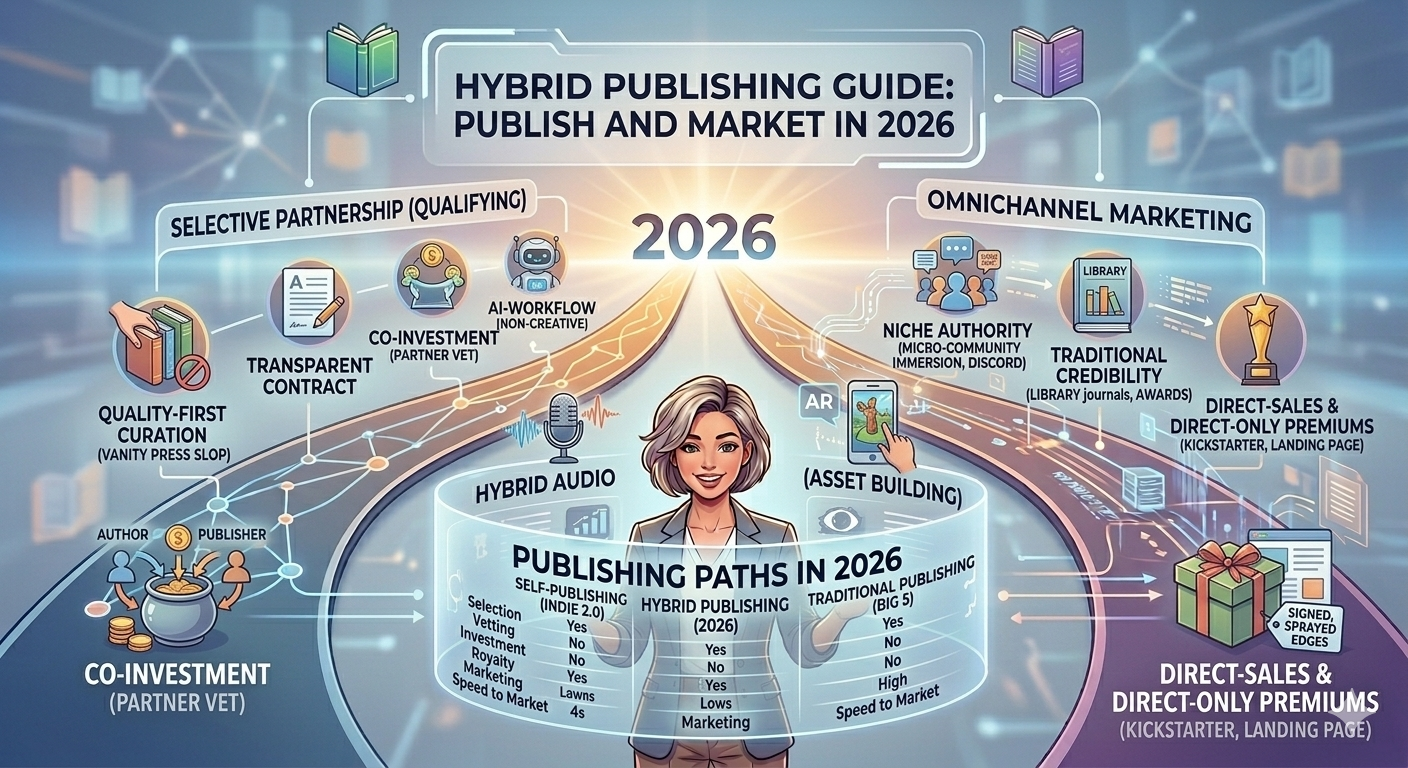
Hybrid Publishing vs. Traditional vs. Self-Publishing
Here’s a quick comparison:
| Feature | Traditional | Self-Publishing | Hybrid Publishing |
|---|---|---|---|
| Upfront Cost | No | Yes | Yes |
| Royalties | Low | High | Medium–High |
| Control | Limited | Full | Shared |
| Speed | Slow | Fast | Moderate |
| Support | Full | Minimal | Professional |
Hybrid publishing offers balance—especially for authors who want professional quality with entrepreneurial flexibility.
Is Hybrid Publishing Right for You?
It may be ideal if:
-
You want faster results than traditional publishing
-
You value professional quality
-
You are willing to invest strategically
-
You want higher royalties
-
You plan to build a long-term author brand
It may not be ideal if you:
-
Expect zero financial investment
-
Want a publisher to handle everything without involvement
-
Are unwilling to participate in marketing
Success requires partnership.
Future Trends in Hybrid Publishing for 2026
Publishing continues to evolve.
Emerging trends include:
-
AI-assisted editing tools (used professionally, not as replacements)
-
Data-driven marketing campaigns
-
Direct-to-reader sales platforms
-
Audiobook-first strategies
-
Global print-on-demand expansion
Hybrid publishing companies that adapt to these trends will offer authors stronger market advantages.