Hybrid Publishing Guide: Complete Strategy to Successfully Publish and Market Your Book in 2026
Introduction
Publishing a book has never been easier, yet it has never been more confusing. Today, authors face many choices: traditional publishing, self-publishing, and a growing option known as hybrid publishing.
Many writers struggle with the same problem. Traditional publishing can take years and offers little control. Self-publishing gives full control but requires authors to manage editing, design, marketing, and distribution themselves.
Hybrid publishing provides a balanced solution.
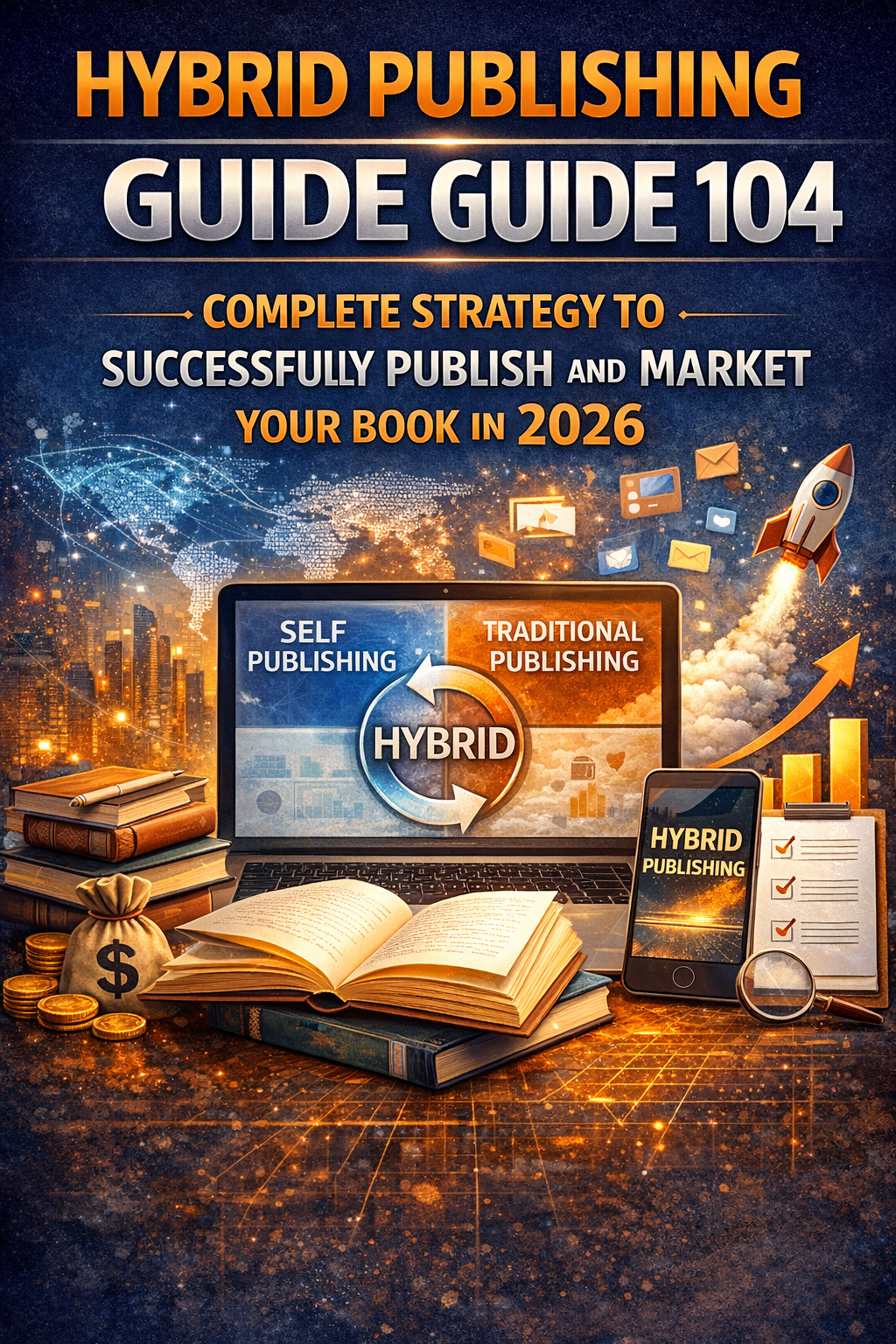
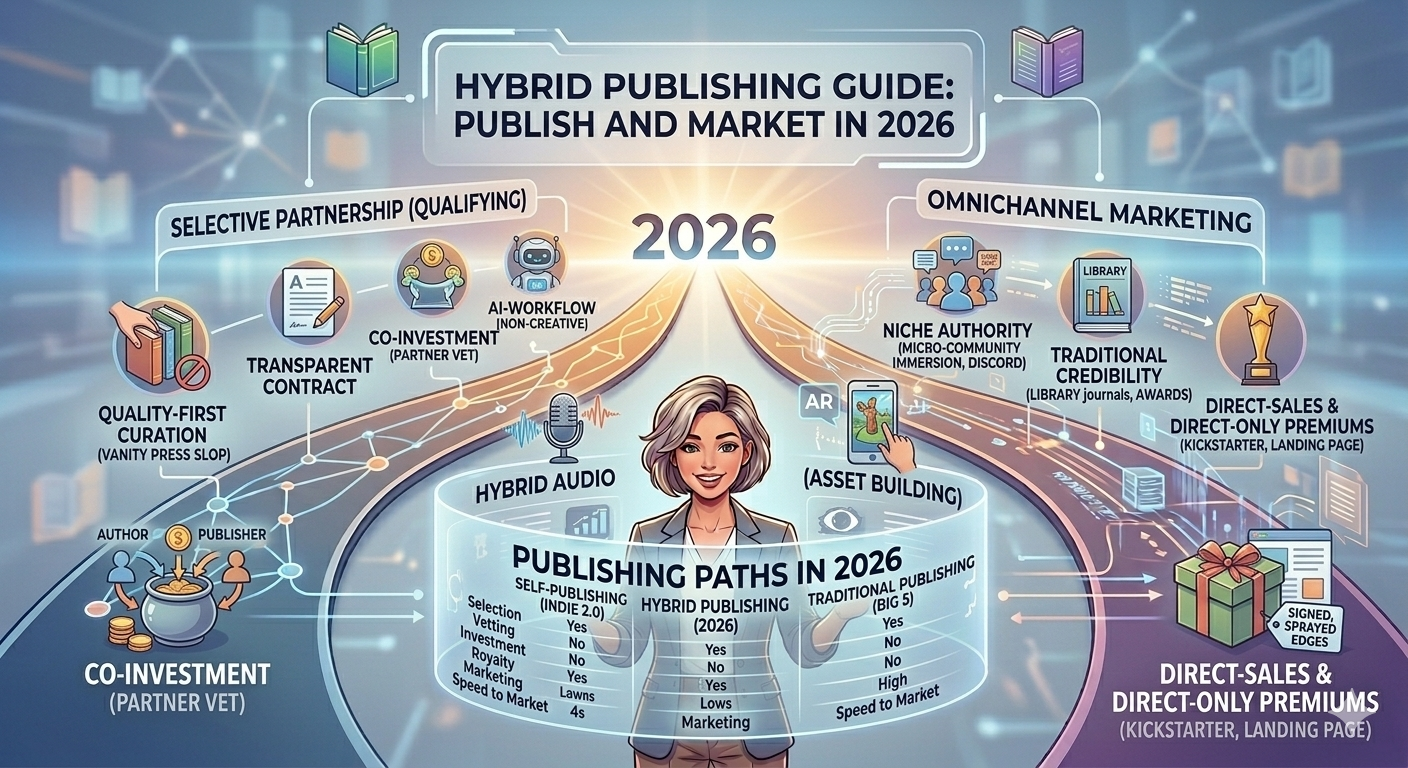
A hybrid publishing model combines the professional support of traditional publishers with the creative freedom of self-publishing. Authors invest in the publishing process while working with professionals who help produce and market the book.
In 2026, hybrid publishing is one of the fastest-growing options for authors who want quality, speed, and control.
This guide explains exactly how hybrid publishing works, how to publish your book successfully, and how to market it effectively.
Understanding Hybrid Publishing
What Is Hybrid Publishing?
Hybrid publishing is a publishing model where authors partner with a publishing company and share the investment in producing the book.
Unlike traditional publishing, authors usually pay for services such as editing, design, and marketing. In return, they receive higher royalties and more control over the publishing process.
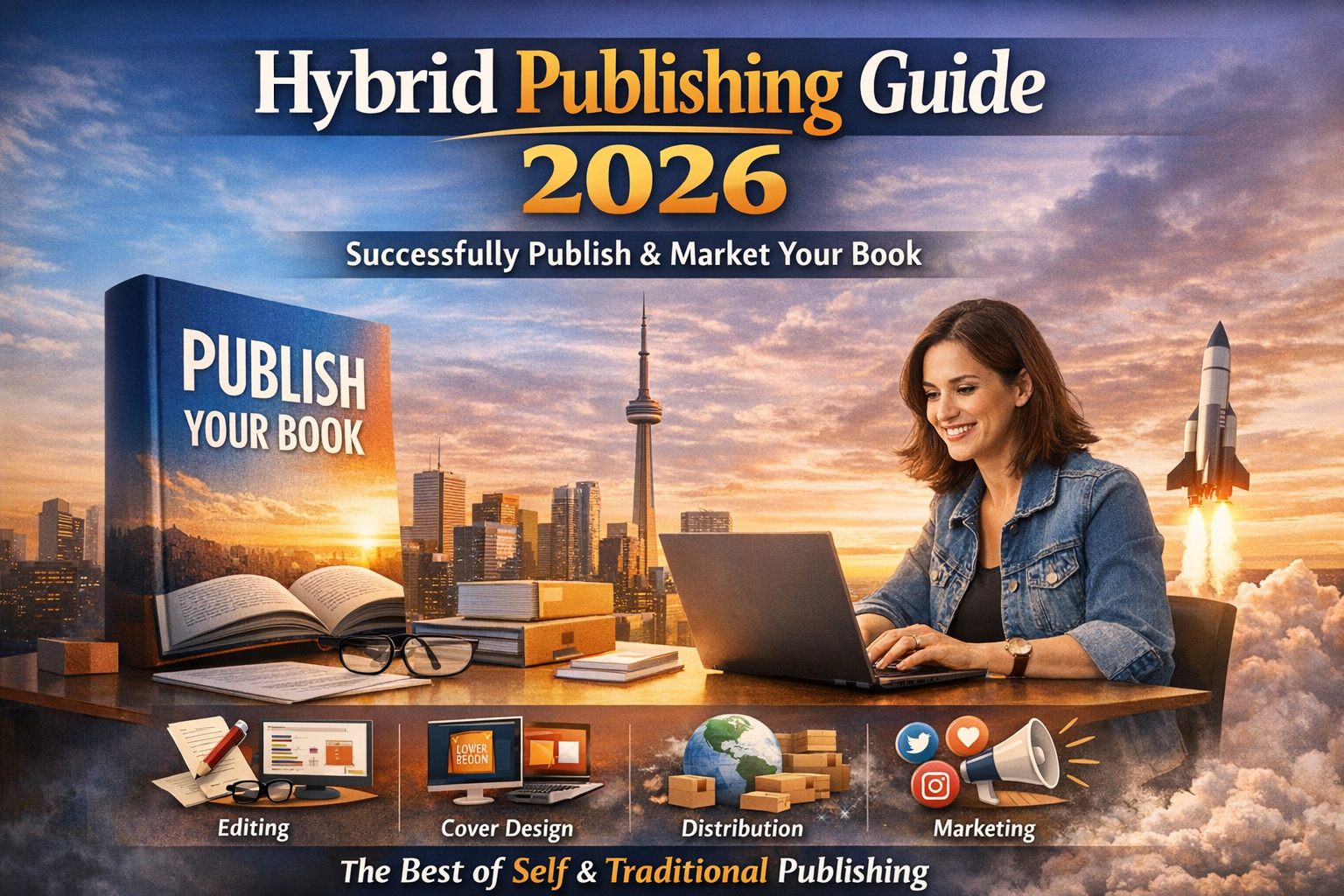
A hybrid publisher typically provides:
-
Professional editing
-
Cover design and formatting
-
ISBN registration
-
Distribution channels
-
Marketing assistance
-
Publishing consultation
This model allows authors to produce professional-quality books without navigating the process alone.
Why Hybrid Publishing Is Growing in 2026
The publishing industry has changed significantly in recent years. Digital platforms, online bookstores, and global distribution have opened new opportunities for authors.
Hybrid publishing is growing because it solves common problems authors face.
Key reasons include:
Faster Publishing Timeline
Traditional publishing can take 1–3 years. Hybrid publishing often allows books to be released within a few months.
Professional Production
Authors gain access to editors, designers, and marketing specialists.
Greater Creative Control
Authors keep control over:
-
Cover design
-
Book pricing
-
Marketing strategy
-
Publication schedule
Higher Royalty Rates
Hybrid publishing models typically offer significantly higher royalty percentages compared to traditional publishing.
Step-by-Step Hybrid Publishing Strategy
Step 1: Prepare Your Manuscript
Before approaching a hybrid publisher, your manuscript should be complete and carefully reviewed.
Start with:
-
Self-editing your draft
-
Checking grammar and clarity
-
Improving structure and pacing
Many authors also benefit from beta readers who provide early feedback.
Preparing a polished manuscript increases your chances of working with a reputable hybrid publisher.
Step 2: Choose the Right Hybrid Publisher
Not all hybrid publishers operate the same way. Some provide comprehensive services while others offer limited support.
When evaluating hybrid publishing companies, consider:
-
Editorial services offered
-
Distribution channels
-
Marketing assistance
-
Transparency in pricing
-
Royalty structure
-
Author rights and ownership
A reputable company will clearly explain services, costs, and expectations.
Avoid publishers that promise guaranteed bestseller results or lack transparent contracts.
Step 3: Professional Editing
Editing is one of the most important stages of the publishing process.
Hybrid publishers typically offer several types of editing:
Developmental Editing
Focuses on the structure of the book, storyline, and organization.
Copyediting
Improves grammar, clarity, and readability.
Proofreading
Removes final errors before publication.
Professional editing improves the overall quality of your book and ensures a polished final product.
Step 4: Book Design and Formatting
Readers often judge books by their cover and interior design.
Hybrid publishers usually provide:
-
Custom cover design
-
Interior formatting
-
Typography layout
-
Print-ready files
-
eBook formatting
A professionally designed cover helps your book stand out in online marketplaces.
Good formatting also ensures readability across different devices.
Step 5: ISBN and Publishing Setup
Every published book requires an ISBN for identification and distribution.
Hybrid publishers typically manage:
-
ISBN registration
-
Barcode generation
-
Copyright page setup
-
Metadata optimization
Metadata includes:
-
Book title
-
Author name
-
Keywords
-
Description
-
Categories
Optimized metadata helps online retailers display and recommend your book effectively.
Step 6: Distribution Channels
One major advantage of hybrid publishing is access to professional distribution networks.
Most hybrid publishers distribute books through:
-
Online retailers
-
eBook platforms
-
Print-on-demand services
-
Global bookstores
This allows authors to reach readers worldwide.
Print-on-demand technology also reduces inventory costs and financial risk.
Marketing Your Hybrid Published Book
Publishing a book is only the first step. Marketing determines whether readers actually discover your work.
Build Your Author Platform
An author platform establishes your presence and credibility.
Important elements include:
-
Author website
-
Email newsletter
-
Social media profiles
-
Reader community
Consistent engagement with readers helps build long-term book sales.
Pre-Launch Marketing Strategy
Successful books begin marketing before release.
Pre-launch activities include:
-
Cover reveals
-
Early reader reviews
-
Email list announcements
-
Social media promotion
-
Pre-order campaigns
These strategies create anticipation for your book.
Book Launch Strategy
Your book launch should create strong initial visibility.
Key launch tactics include:
-
Virtual book events
-
Author interviews
-
Blog features
-
Influencer collaborations
-
Reader giveaways
The goal is to generate attention and encourage early reviews.
Long-Term Book Marketing
Book marketing should continue long after launch.
Sustainable strategies include:
-
Content marketing
-
Speaking opportunities
-
Podcast interviews
-
Reader communities
-
Seasonal promotions
Long-term marketing builds steady book sales over time.
Benefits of Hybrid Publishing
Hybrid publishing offers several advantages for modern authors.
Professional Quality
Authors work with experienced editors, designers, and marketing specialists.
This ensures the final book meets professional publishing standards.
Faster Time to Market
Because authors invest in the publishing process, hybrid publishers can move projects forward more quickly.
Books often launch within months rather than years.
Higher Author Earnings
Hybrid publishing typically offers higher royalty percentages compared to traditional publishing.
This means authors earn more per sale.
Creative Control
Authors retain control over their book’s vision.
This includes decisions about:
-
Cover design
-
Pricing
-
Marketing direction
-
Release timeline
Ownership of Rights
In many hybrid publishing agreements, authors keep ownership of their intellectual property.
This allows future opportunities such as:
-
Film rights
-
Translations
-
Audiobooks
Best Practices for Hybrid Publishing Success
Authors can increase success by following a few important practices.
Research Publishers Carefully
Always evaluate a publisher’s reputation, track record, and services.
Invest in Quality
Professional editing and design directly affect reader perception.
Build Your Audience Early
Start building your author platform before the book launch.
Stay Involved in Marketing
Even with professional support, author participation is critical.
Think Long-Term
Successful authors treat publishing as a career rather than a single project.
Common Hybrid Publishing Mistakes to Avoid
While hybrid publishing offers many advantages, authors should avoid several common mistakes.
Choosing the Wrong Publisher
Some companies offer expensive services with limited value.
Always review contracts carefully and verify industry credibility.
Ignoring Marketing
Publishing a book without marketing reduces visibility.
Authors should actively promote their work.
Skipping Professional Editing
Poor editing can damage credibility and reader trust.
Quality editing is essential.
Unrealistic Expectations
Publishing success usually takes time.
Consistent promotion and reader engagement are key.
Why Choose a Professional Hybrid Publishing Company
Working with a professional hybrid publishing company simplifies the complex publishing process.
Experienced publishing teams provide:
-
Industry expertise
-
Professional editing and design
-
Strategic marketing support
-
Distribution access
-
Publishing guidance
For many authors, this professional partnership saves time and ensures higher quality results.
A reliable hybrid publisher also helps authors avoid costly mistakes and navigate the evolving publishing industry.