Publishing Industry Trends Guide 133: Complete Strategy to Successfully Publish and Market Your Book in 2026
Introduction
The publishing world is evolving faster than ever. New technologies, digital platforms, and changing reader habits are reshaping how books are written, published, and marketed.
Many authors struggle because they follow outdated publishing methods. Traditional approaches alone no longer guarantee success. Understanding Publishing Industry Trends 2026 is essential for authors who want their books to reach the right audience.
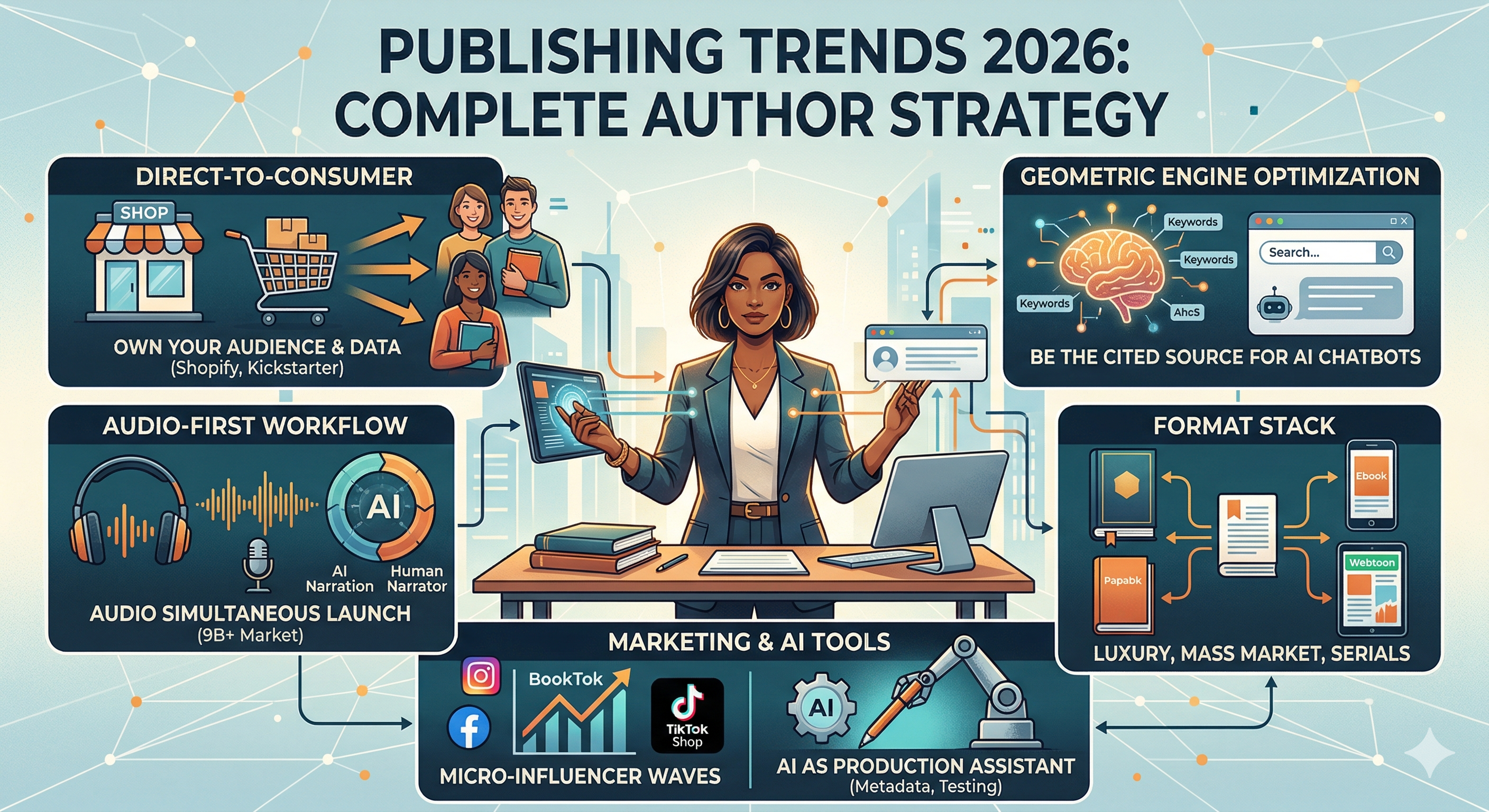
The good news is that the modern publishing landscape offers more opportunities than ever. With the right strategy, authors can publish independently, build strong reader communities, and generate long-term revenue.
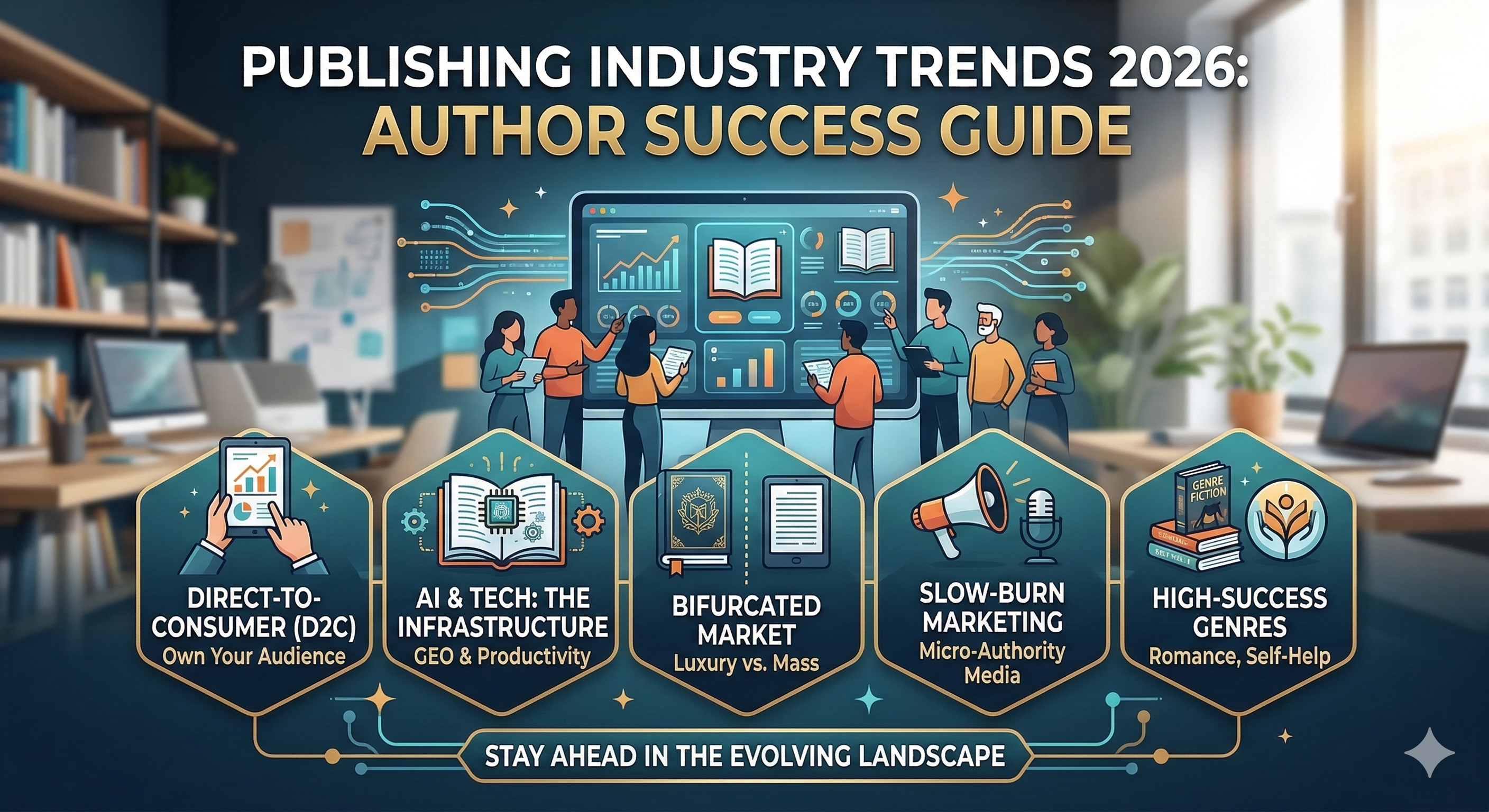
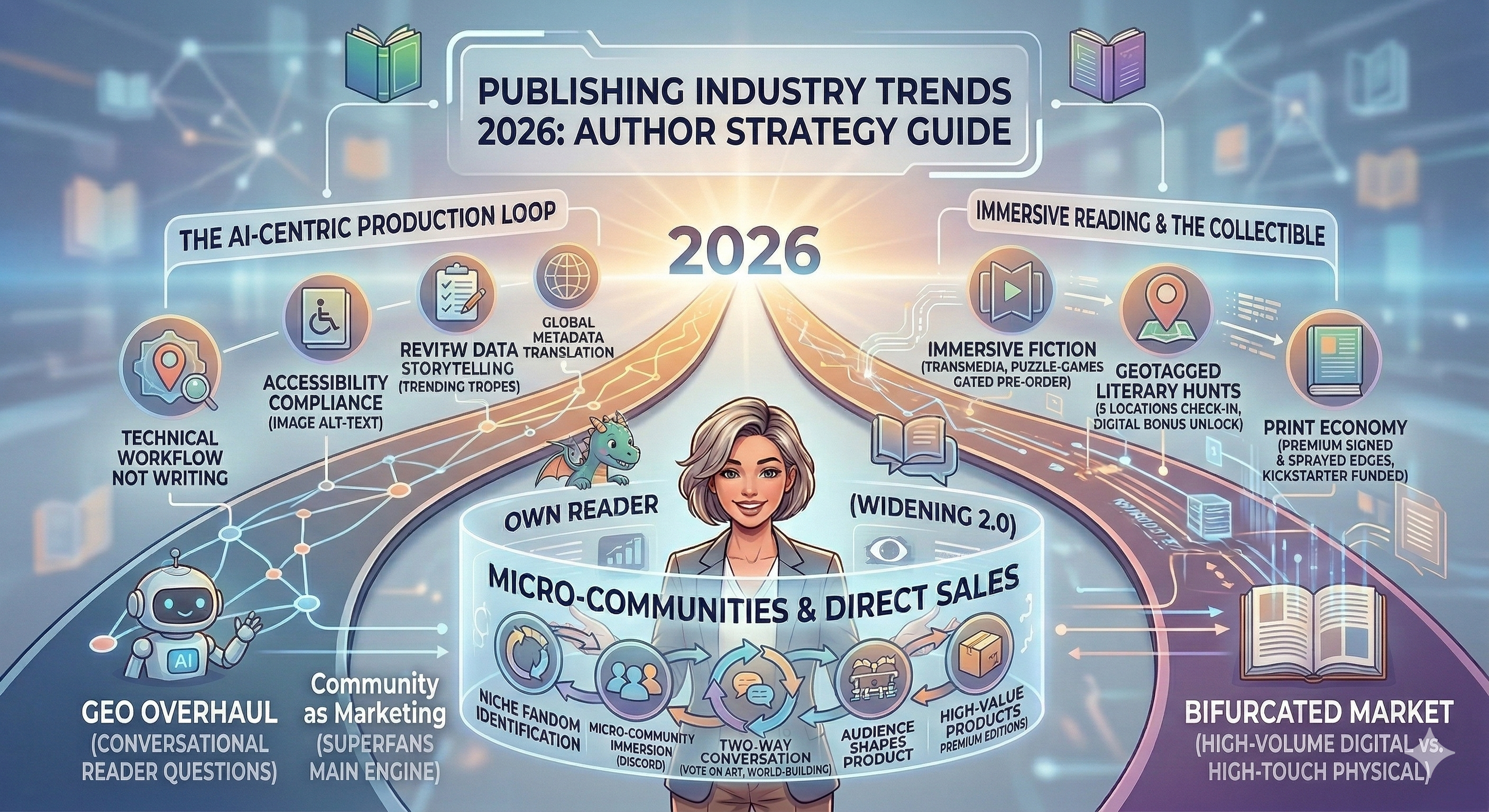
This guide explains the most important publishing trends in 2026 and provides a practical strategy to help authors publish and market their books successfully.
Understanding the Modern Publishing Landscape
Before exploring specific strategies, it is important to understand how the publishing industry has changed.
Over the past decade, publishing has shifted from a print-first industry to a digital-first ecosystem. Authors now have multiple publishing paths and marketing tools.
Key changes shaping Publishing Industry Trends 2026 include:
-
Growth of self-publishing platforms
-
Increased demand for digital formats
-
Rise of author-owned marketing channels
-
Data-driven book marketing
-
Global online distribution
Because of these changes, authors now have greater control over their publishing careers.
Key Publishing Industry Trends 2026
Understanding the major industry trends can help authors make smarter publishing decisions.
1. Growth of Self-Publishing
Self-publishing continues to expand rapidly. Authors are no longer dependent on traditional publishers to reach readers.
Benefits of self-publishing include:
-
Full creative control
-
Higher royalty rates
-
Faster publishing timelines
-
Global distribution
However, success in self-publishing requires professional editing, cover design, and marketing.
2. Digital Formats Are Dominating
Digital reading formats continue to grow in popularity.
Popular formats include:
-
eBooks
-
Audiobooks
-
Mobile reading apps
-
Digital subscription platforms
Many readers now prefer the convenience of digital content. Authors who publish in multiple formats can reach a larger audience.
3. Audiobooks Are Growing Rapidly
Audiobooks are one of the fastest-growing segments of the publishing industry.
Readers enjoy audiobooks because they can listen while commuting, exercising, or working.
Authors should consider audiobook versions of their books because:
-
Audiobook sales are increasing each year
-
They reach new audiences
-
They increase total revenue
Producing audiobooks has become easier with modern recording platforms.
4. Direct Author Branding Matters More Than Ever
In the past, publishers handled most of the marketing. Today, authors must build their own brand.
A strong author brand helps readers recognize and trust your work.
Important elements of author branding include:
-
A professional author website
-
Consistent social media presence
-
A recognizable writing style
-
Clear genre positioning
Authors who build strong brands often see better long-term book sales.
5. Community-Driven Book Marketing
Reader communities now play a major role in book discovery.
Platforms such as online book clubs, reading forums, and social media communities help readers discover new books.
Successful authors engage with readers through:
-
Newsletter communities
-
Online events
-
Reader groups
-
Exclusive content
Building a loyal audience can significantly improve book visibility.
Step-by-Step Strategy to Publish a Book in 2026
Understanding Publishing Industry Trends 2026 is important, but authors also need a clear strategy. The following step-by-step process can help ensure a successful book launch.
Step 1: Identify Your Target Audience
Before writing or publishing a book, define your audience clearly.
Ask these questions:
-
Who will benefit from this book?
-
What problem does it solve?
-
What genres do these readers prefer?
Knowing your audience helps guide both writing and marketing decisions.
Step 2: Create a High-Quality Manuscript
Quality remains the most important factor in publishing success.
Focus on:
-
Strong storytelling
-
Clear structure
-
Engaging language
-
Professional editing
Hiring experienced editors can significantly improve the quality of your manuscript.
Step 3: Invest in Professional Book Design
Book design strongly influences buying decisions.
Two elements matter most:
Book cover design
A professional cover attracts readers and communicates genre instantly.
Interior formatting
Clean formatting improves readability across print and digital formats.
Poor design can reduce credibility and sales.
Step 4: Choose the Right Publishing Model
Authors now have several publishing options.
Common choices include:
Traditional publishing
-
Publishing house handles production and distribution
-
Longer approval process
-
Lower royalty percentages
Self-publishing
-
Faster publishing
-
Higher royalties
-
Requires independent marketing
Hybrid publishing
-
Combination of professional services and author control
Each model has advantages depending on the author’s goals.
Step 5: Prepare a Multi-Format Release
One of the most important Publishing Industry Trends 2026 is multi-format publishing.
Authors should consider publishing in:
-
Paperback
-
Hardcover
-
eBook
-
Audiobook
Offering multiple formats increases accessibility and sales potential.
Step 6: Develop a Pre-Launch Marketing Plan
Marketing should begin before the book is released.
Effective pre-launch strategies include:
-
Building an email list
-
Creating teaser content
-
Sharing cover reveals
-
Offering early review copies
Pre-launch marketing helps generate excitement and early sales.
Step 7: Launch and Promote the Book
A strong launch can significantly influence long-term success.
Key launch activities include:
-
Online book launch events
-
Social media promotions
-
Reader giveaways
-
Early reviews
Consistency in promotion is critical during the first few weeks after release.
Benefits of Following Publishing Industry Trends
Authors who understand Publishing Industry Trends 2026 gain several advantages.
Better Market Position
Knowing current trends allows authors to align their books with reader demand.
Stronger Reader Engagement
Modern marketing focuses on direct relationships with readers.
Higher Sales Opportunities
Using multiple formats and platforms increases visibility and revenue potential.
Long-Term Author Growth
Following industry trends helps authors build sustainable publishing careers.
Best Practices for Authors in 2026
To succeed in modern publishing, authors should follow several best practices.
Focus on Reader Value
Readers choose books that solve problems, entertain, or educate.
Ensure your book delivers clear value.
Build an Email List
Email newsletters remain one of the most effective marketing tools for authors.
Benefits include:
-
Direct communication with readers
-
Book launch announcements
-
Exclusive offers and updates
A strong email list can drive repeat book sales.
Publish Consistently
Authors who publish regularly tend to build stronger audiences.
Consistency helps readers stay engaged with your work.
Invest in Professional Quality
High-quality editing, design, and formatting improve credibility and reader experience.
Professional presentation can significantly increase book sales.
Common Mistakes Authors Should Avoid
Even with a great book idea, authors often make mistakes that reduce their chances of success.
Ignoring Market Research
Publishing without understanding reader demand can lead to poor sales.
Always research genre trends and reader interests.
Rushing the Publishing Process
Publishing too quickly without editing or professional design can damage your reputation.
Take time to produce a polished book.
Neglecting Marketing
Many authors focus only on writing and ignore promotion.
Without marketing, even great books may remain undiscovered.
Not Building an Author Platform
An author platform is essential in modern publishing.
Authors who build audiences early have better launch results.
Why Choose a Professional Publishing Service
While independent publishing is possible, professional services can improve the overall quality and success of a book.
Professional publishing companies offer:
-
Expert editing
-
Professional book design
-
Formatting for multiple formats
-
Distribution support
-
Marketing guidance
Working with experienced publishing professionals can help authors avoid common mistakes and achieve better results.
Professional services also save time, allowing authors to focus on writing and creativity.